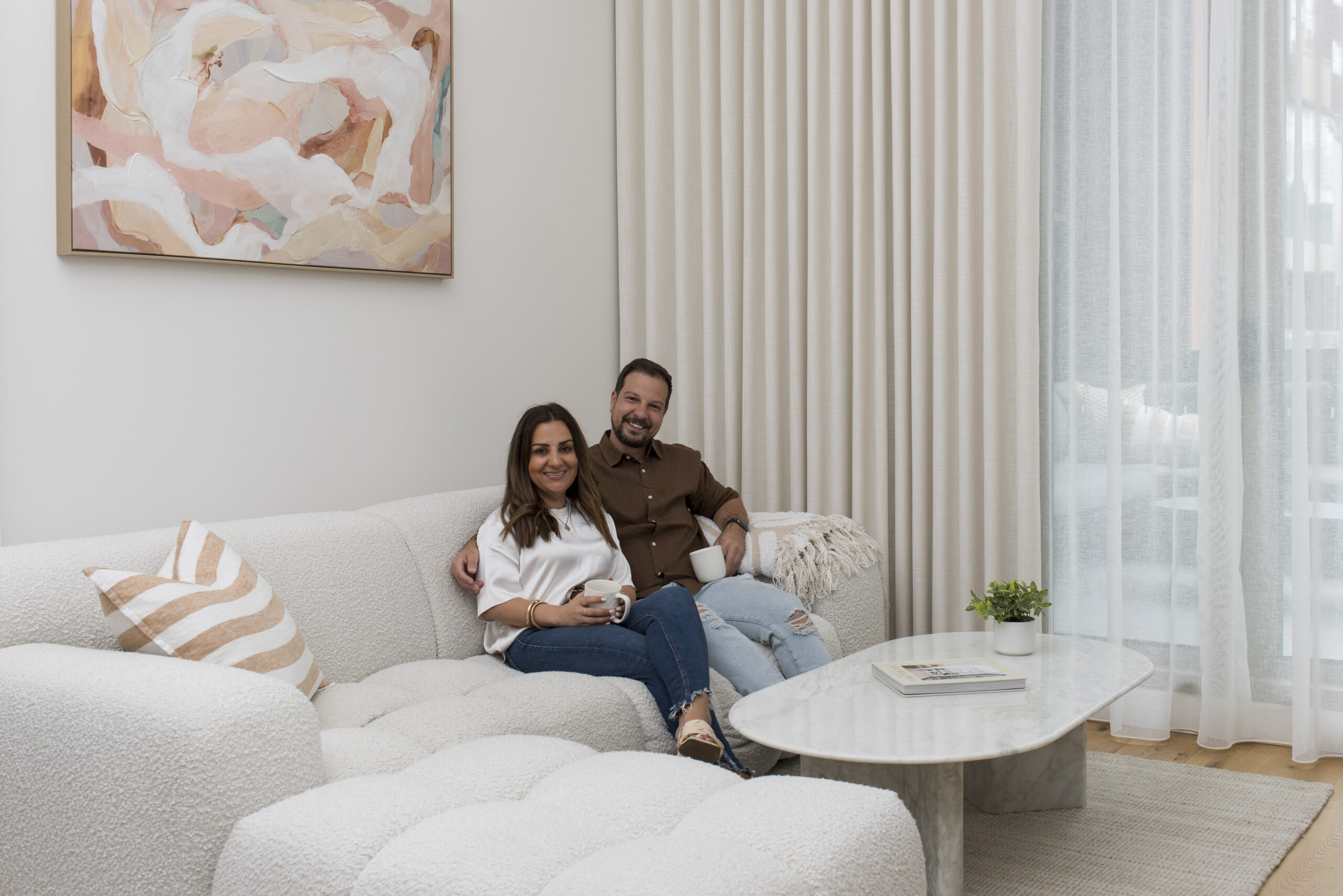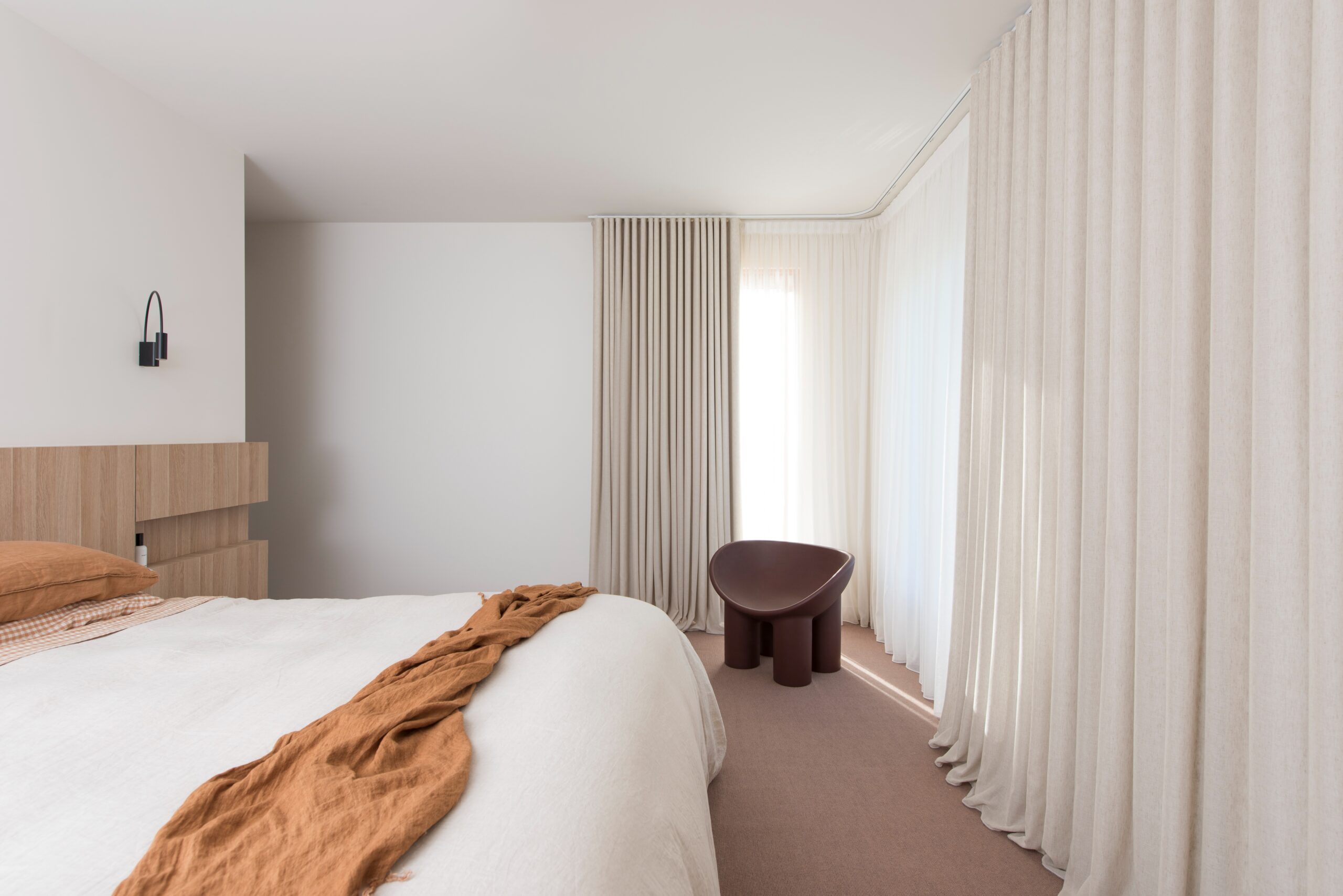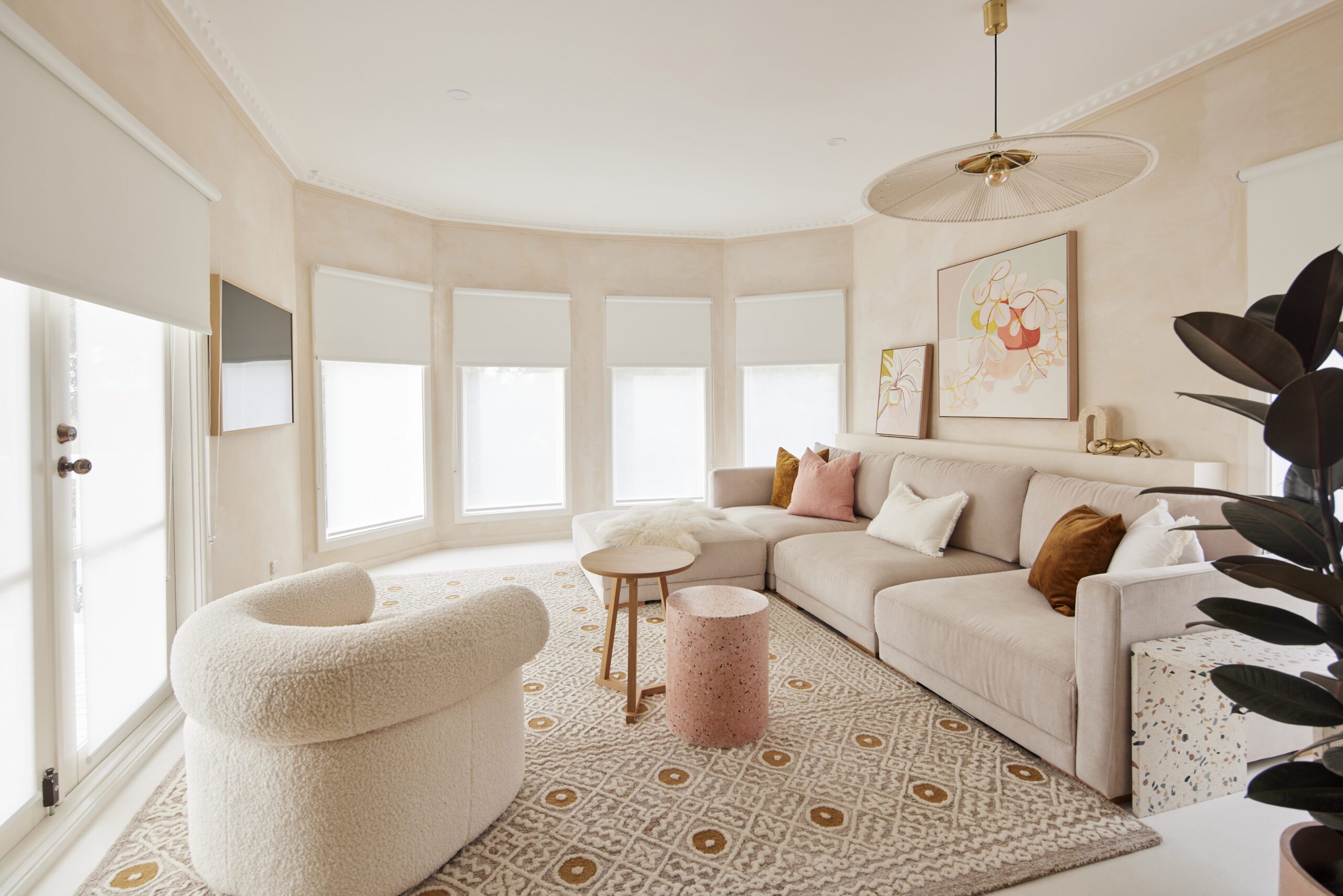
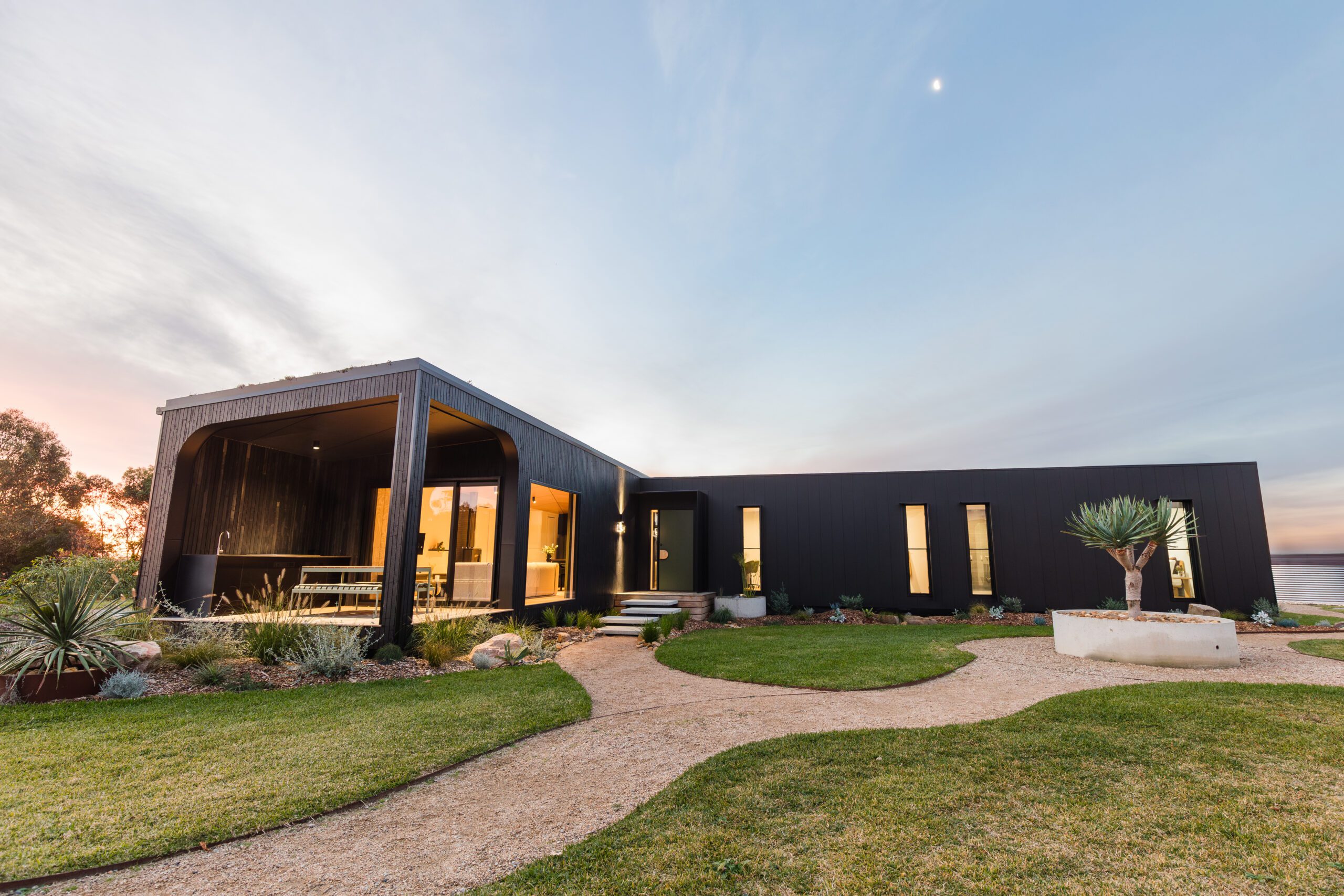
Our custom made Curtains and Blinds help bring style and sustainability to life in Ecoliv’s new EcoGeneration display home, completing their regenerative, climate-positive vision.




Are you concerned about the sun’s rays fading your furnishings and overheating your home? If you’re struggling with your current window coverings, then Roller Blinds may be your ideal solution. Read our ultimate Roller Blind guide to learn why!
| Topic | Designer Tips |
| Photography | dc+b |
| Share | Email Facebook Pinterest |
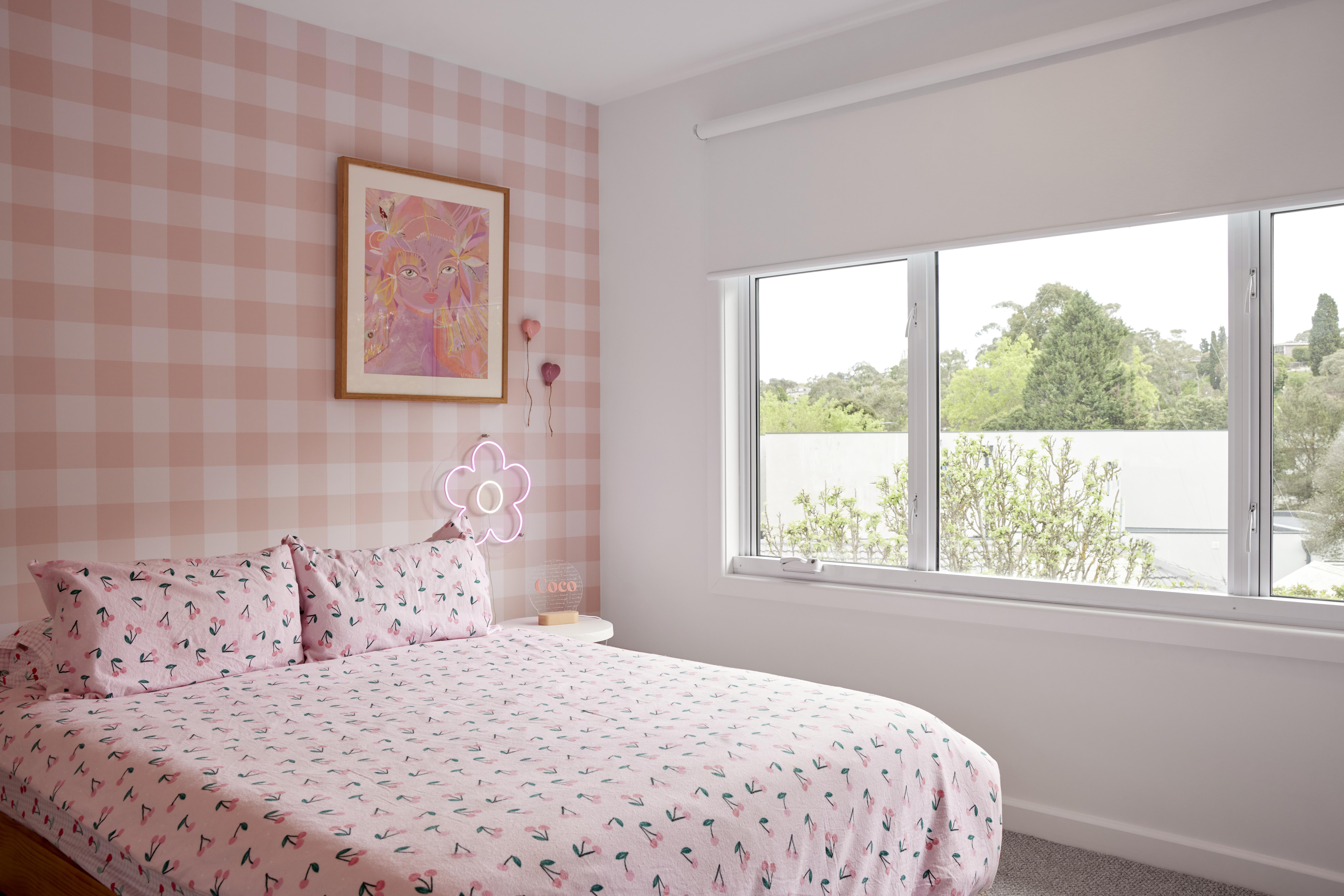
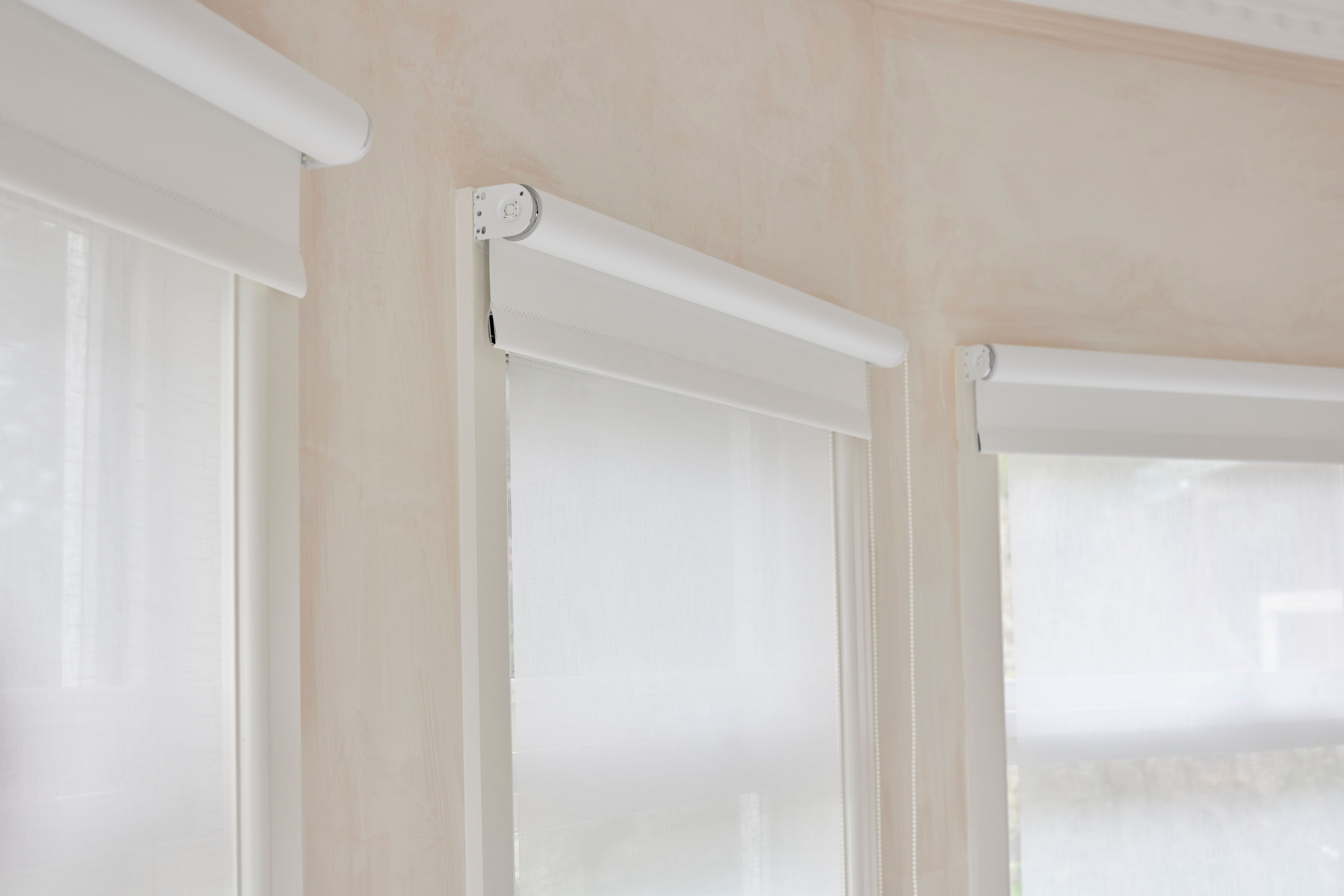
Roller Blinds are the quiet achievers of the Blind world. They are practical, modern, and affordable window coverings consisting of a single piece of fabric that wraps around a tube, creating a sleek look when raised.
Benefits include that they:
These thin shades are available in options that block out light or allow you access to light and views from your windows.
Single Roller Blinds utilise one layer of fabric, while Double Roller Blinds use two independent layers. Typically, a Double Roller Blind is used to incorporate both a blackout shade and a more translucent shade that lets some light in for daytime privacy.
With a Double Roller Blind, you can raise one layer and close the other to allow the amount of light you desire. Perfect for day and night use, Double Roller Blinds maintain a slim profile while giving you maximum flexibility. You can also choose different patterns or colours to match the look of your room.
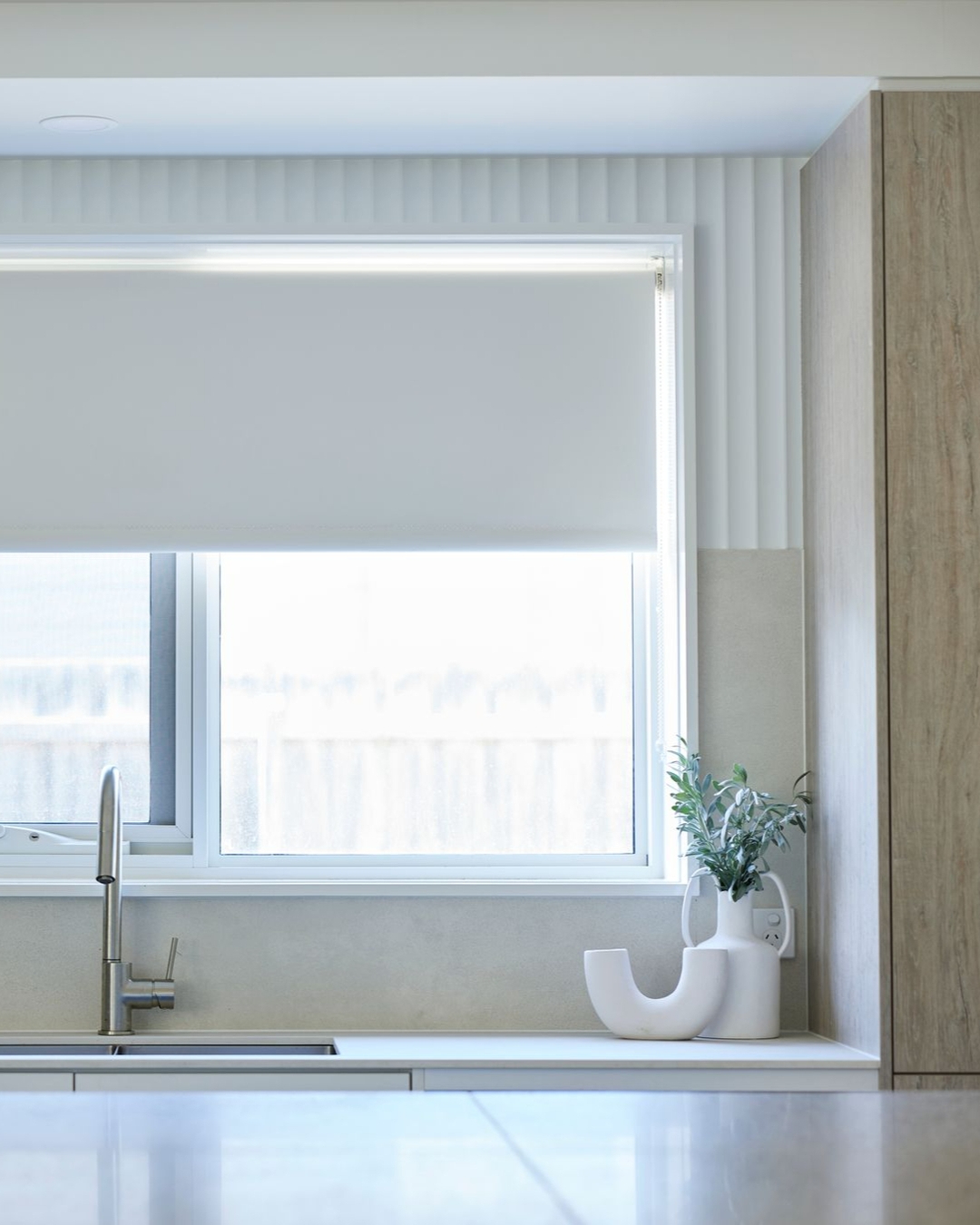
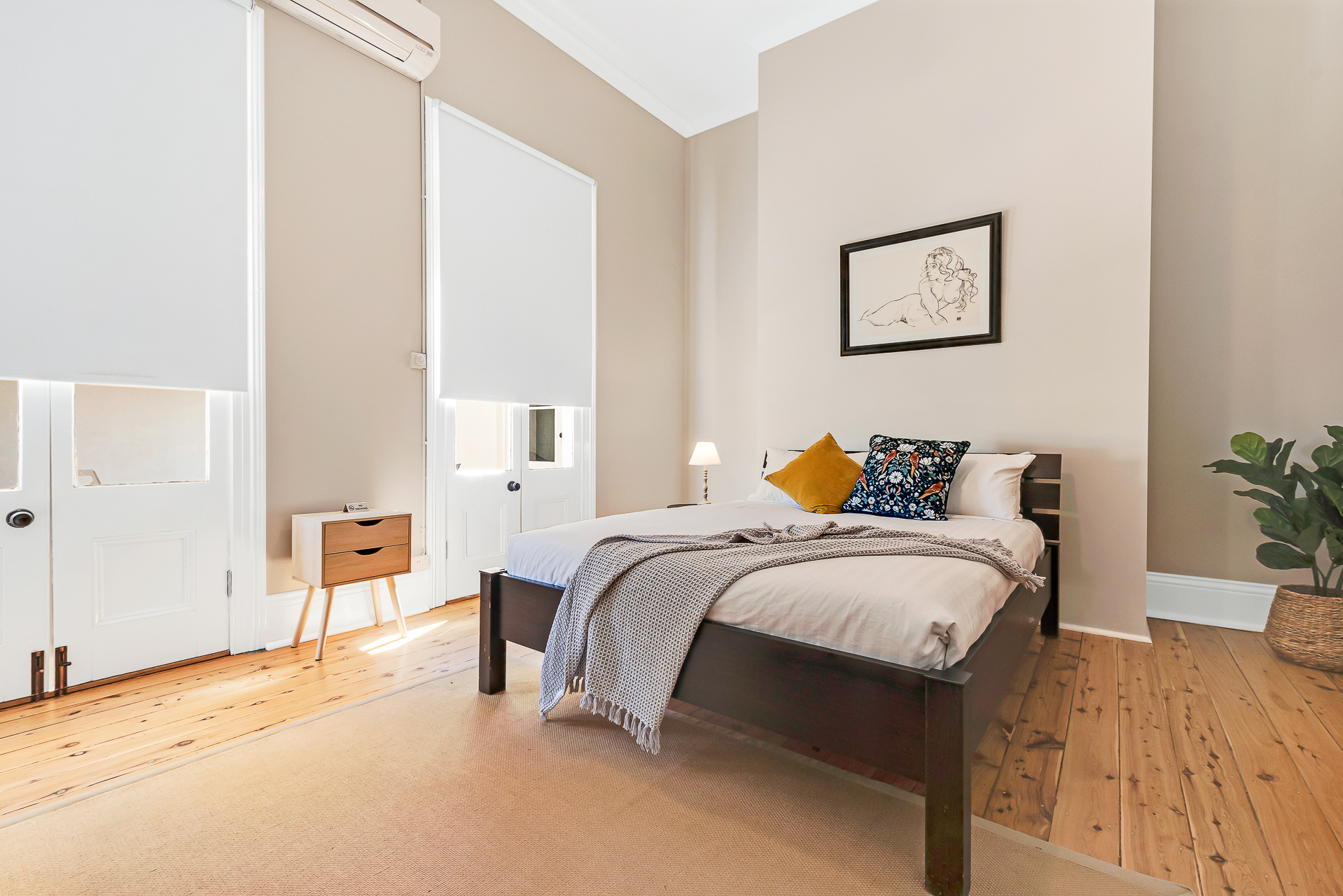
Blockout or blackout Roller Blinds eliminate almost all incoming light, giving you total privacy. Darkening your room on demand can also help improve your sleep, especially if your schedule is irregular.
An additional benefit of blockout Blinds is that they can add insulation and block harmful UV rays, keeping your room warm in winter and cool in summer. This helps you save on energy costs and can prevent your furnishings from fading.
Some types of blockout fabrics can be bonded to a more attractive or textured material to give you the benefits of reduced light with a look that matches your home decor.
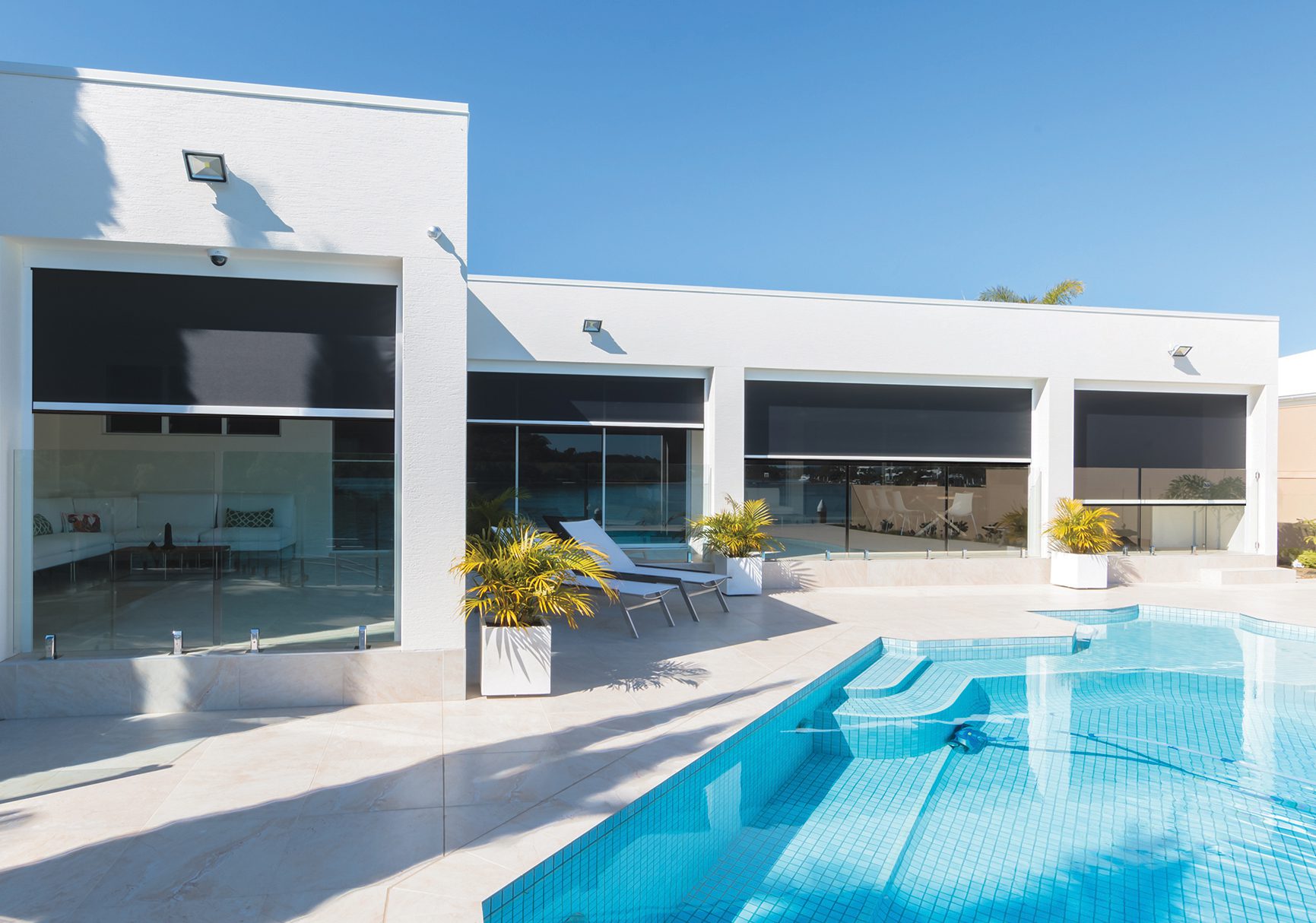
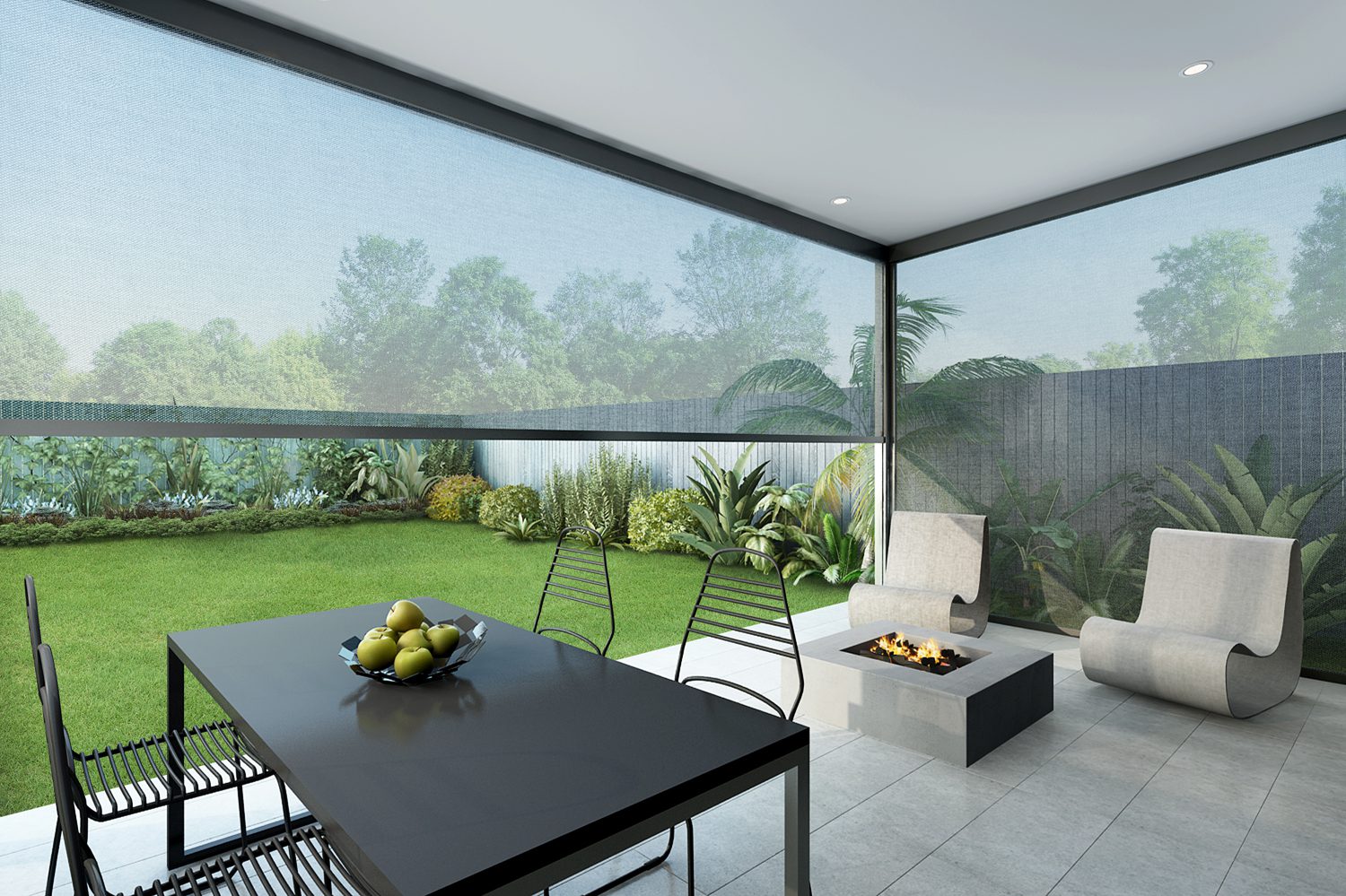
Retain your views with filtered sunscreen fabric in your Roller Blinds. Sunscreen Blinds also allow you some privacy without eliminating all light.
Sunscreen Blinds still provide some insulation, blocking between 80–97% of UV rays. In addition, some sunscreen fabrics are treated with antimicrobials to prevent growth of unwanted mould or mildew in damp locations.
Keep some privacy while letting in plenty of daytime light with translucent Blinds.
Translucent fabrics are a good balance of complete blockout and sheer fabric. You can also choose from a huge variety of fabric textures and colours that lend a beautiful look to your room while providing sufficient light.
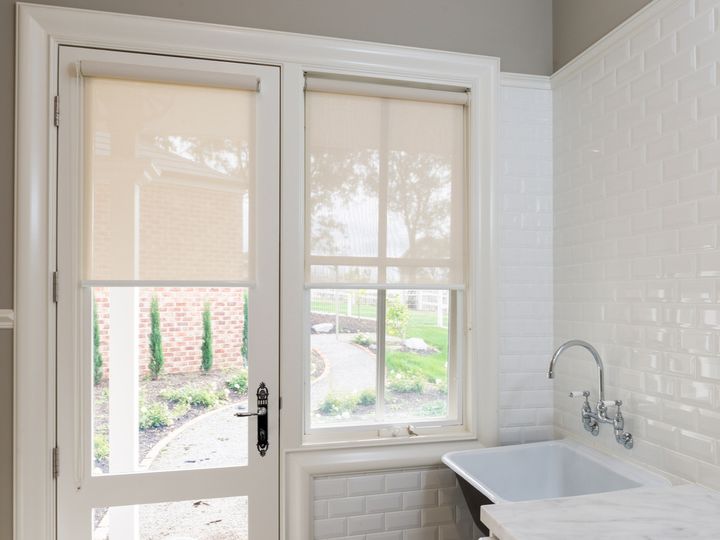
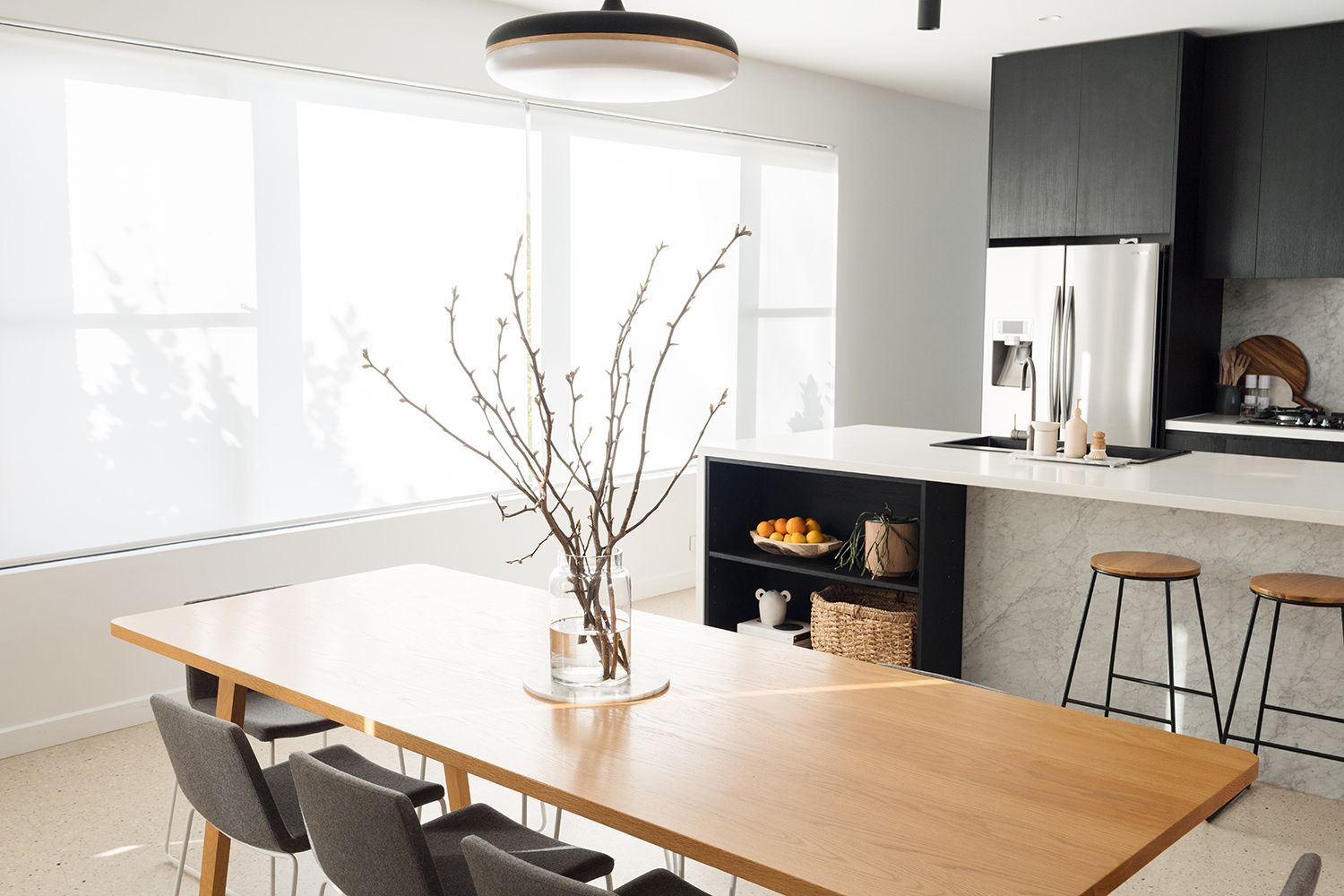
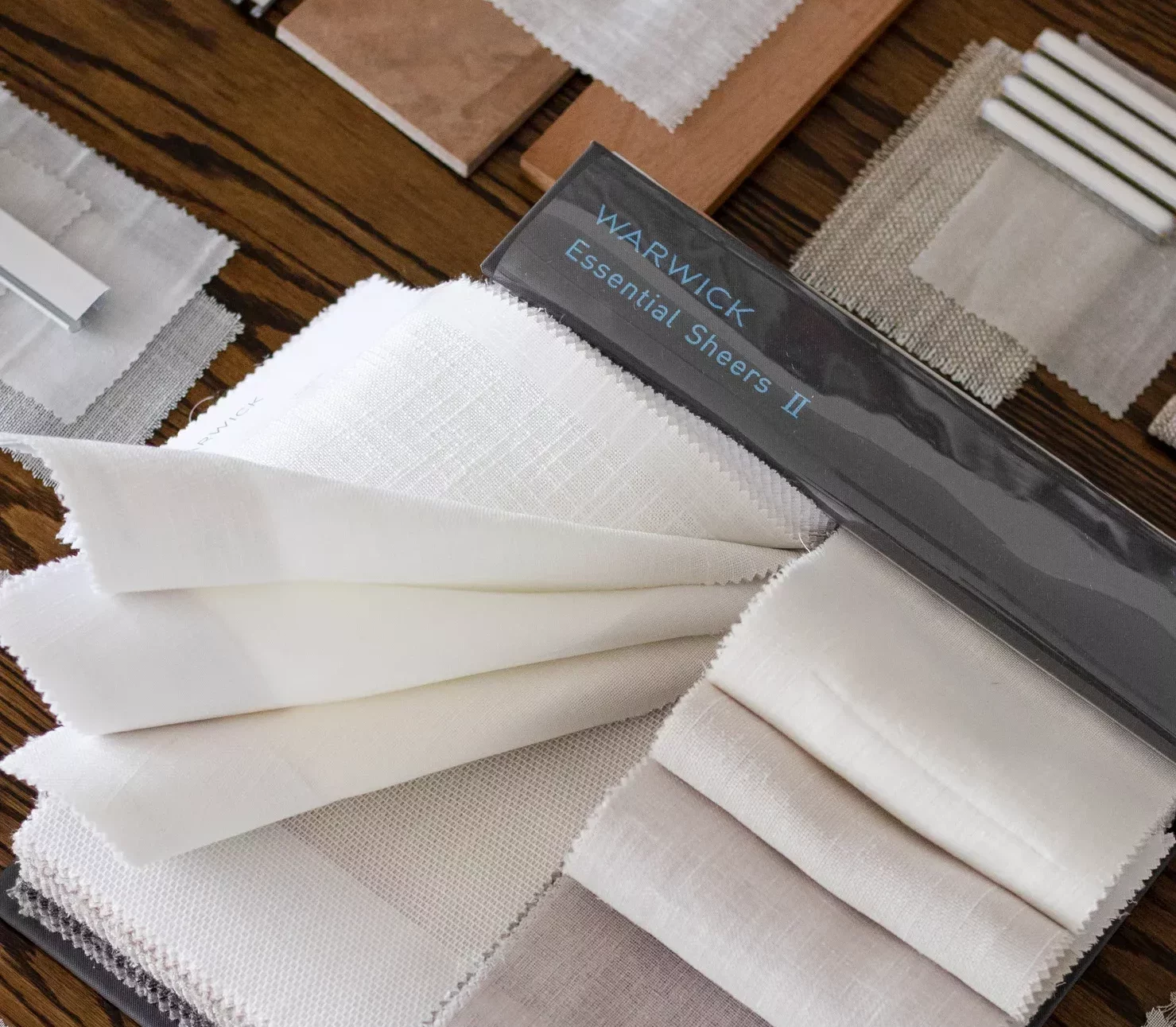
Don’t miss out on the views from your window with sheer Roller Blinds. These fabrics let in plenty of natural light filtered through decorative or textured materials, giving a softer and more decorative look to your room.
While sheer Blinds don’t provide absolute privacy, they do give you some protection against curious passersby.
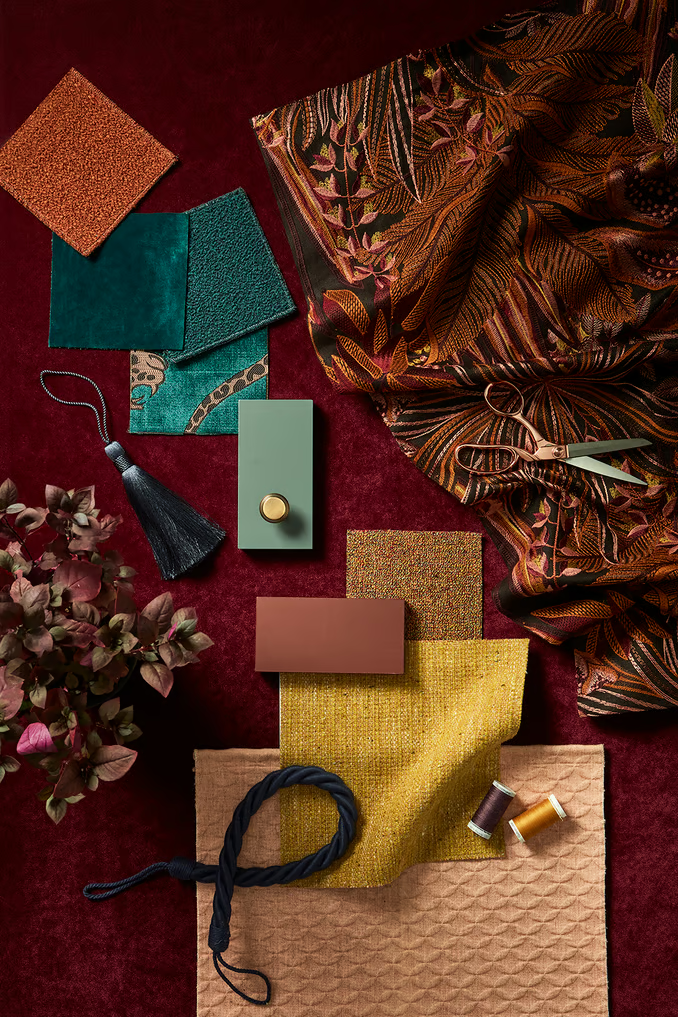
Most Blind fabrics are available in a variety of colour and pattern options. Patterns can give your room an added dimension. For example, you can use vertical stripes to make a room look higher.
You can even choose textured materials that incorporate contrasting fibres to give a subtle boost to your decorating scheme. Coordinate Roller Blinds on different windows or in different rooms to all work with the overall look of your home.
In addition to appearance, you’ll want to consider fabrics that will add functionality. Do you want a translucent look that lets in plenty of light? Or do you want to totally darken a room?
Once you’ve selected your Roller Blind fabrics, make sure that they also stand up to the climate in your area. Blinds will be most durable when fabrics are:
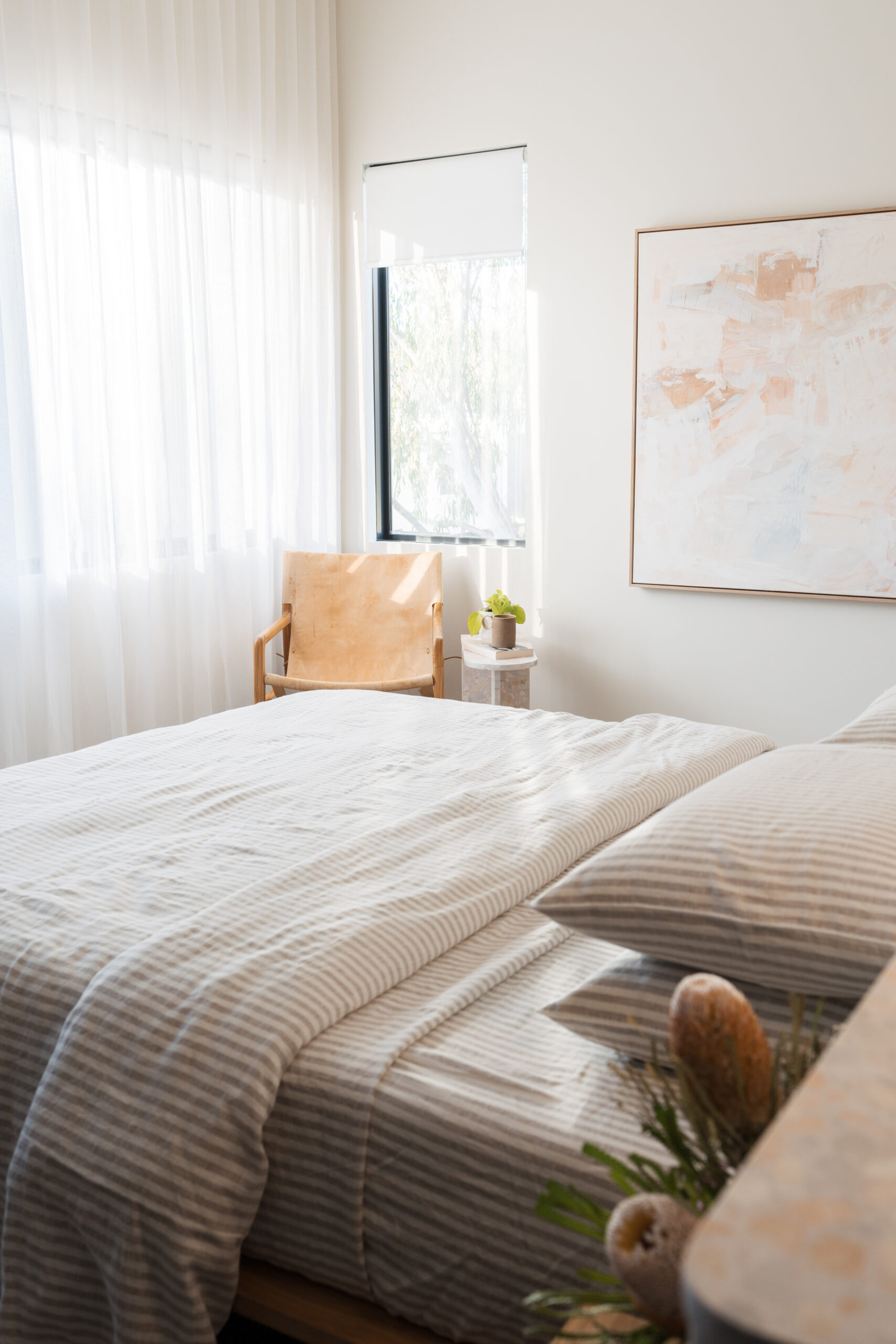
Before you determine which Roller Blind size you need, decide whether you want an inside mount (on the interior of the window frame, called a recess fit), or an outside mount that fits over the window frame, called an arc fit. Your decision will be based on how you want the window covering to look and whether you need the functionality of a blackout shade. The latter is best mounted on the outside to fully cover the window and prevent light from entering the room.
But even after you’ve determined where you’ll need to measure, you may still be worried about making a mistake. dollar curtains + blinds provides a measurement service carried out by expert Interior + Exterior Consultants so you don’t need to make vital measurements yourself. Avoid errors and have a professional make sure that your Blinds fit perfectly.
Roller Blinds are slim enough to be installed on nearly any window.
Install the fittings on the window frame or inside the window frame depending on your needs. Most people aiming to block out light and increase privacy choose an outside recess — what we call the arc fit.
An added benefit to an outside recess installation is that the rolled up Blind permits the most natural light to enter.
In other cases, you may decide to install two Blinds using an inside recess. Because an inside recess fit does leave a light gap, it
To get the most out of your Roller Blinds, you must have the right brackets that hold your Blinds securely, reduce gaps that let in unfiltered light, and blend in with the window frame as much as possible.
At dollar curtains + blinds, making sure you have the right brackets is just as important as helping you select the right fabrics. Our double brackets use a slim profile that doesn’t stick out from the window or let in unwanted light. They also use guides to keep chains from interfering with Blind operation.
Attractive Blind Pelmets are the finishing touch. They can also assist with insulation as they can help trap air that enters through the top of your window.
Blockout or blackout Roller Blinds eliminate almost all incoming light, giving you total privacy. Darkening your room on demand can also help improve your sleep, especially if your schedule is irregular.
An additional benefit of blockout Blinds is that they can add insulation and block harmful UV rays, keeping your room warm in winter and cool in summer. This helps you save on energy costs and can prevent your furnishings from fading.
Some types of blockout fabrics can be bonded to a more attractive or textured material to give you the benefits of reduced light with a look that matches your home decor.
Roller Blinds with an easy-to-lift snap lock spring system will raise and lower with a small tug on the base of the Blind.
Positional bearings make manual operation quiet and smooth. With no cord to tangle or get in your way, spring operated Blinds may be the best choice for a home with small children or pets.
Pre-looped, stainless steel chains allow ease in operating your Roller Blinds. A chain works well for especially large or heavy Blinds.
Plastic options are also available and can also be customised for length, which also makes them safer for use with children and pets. Thin chain modules reduce gaps that can let light through. As well, many chains are available without unsightly joiners.
For Blinds that are located on harder-to-reach windows or for use with home automation systems, motorised Roller Blinds let you raise and lower your shades via the touch of a button or smartphone.
You don’t need any chains, so the overall appearance is sleek and safe for children and pets. Plus, motorised options are best for larger or heavier Blinds.
You can further customise your Roller Blinds by choosing special finishes and fittings.
The bottom of your Blind can be fitted with a rail that slots into a stitched pocket, or you can have a scallop or fringe at the bottom of the Blind fabric. You can even create a special bonded insert in a coordinating fabric at the bottom of each Blind panel. With spring operated Blinds, or for a unique look, you can also add metal ring pulls or tassels.
Base rails are often added to provide a bit of extra weight to keep the Blind from moving in a breeze. These aluminium base rails can be oval or D-shaped or wrapped in fabric depending on your preference.
Cassettes and side channels can be added to any Blind to help conceal hardware and brackets or to close any light gaps. These are especially nice in bedrooms, children’s rooms, or on other windows where you want to minimise light, such as in a home theatre.
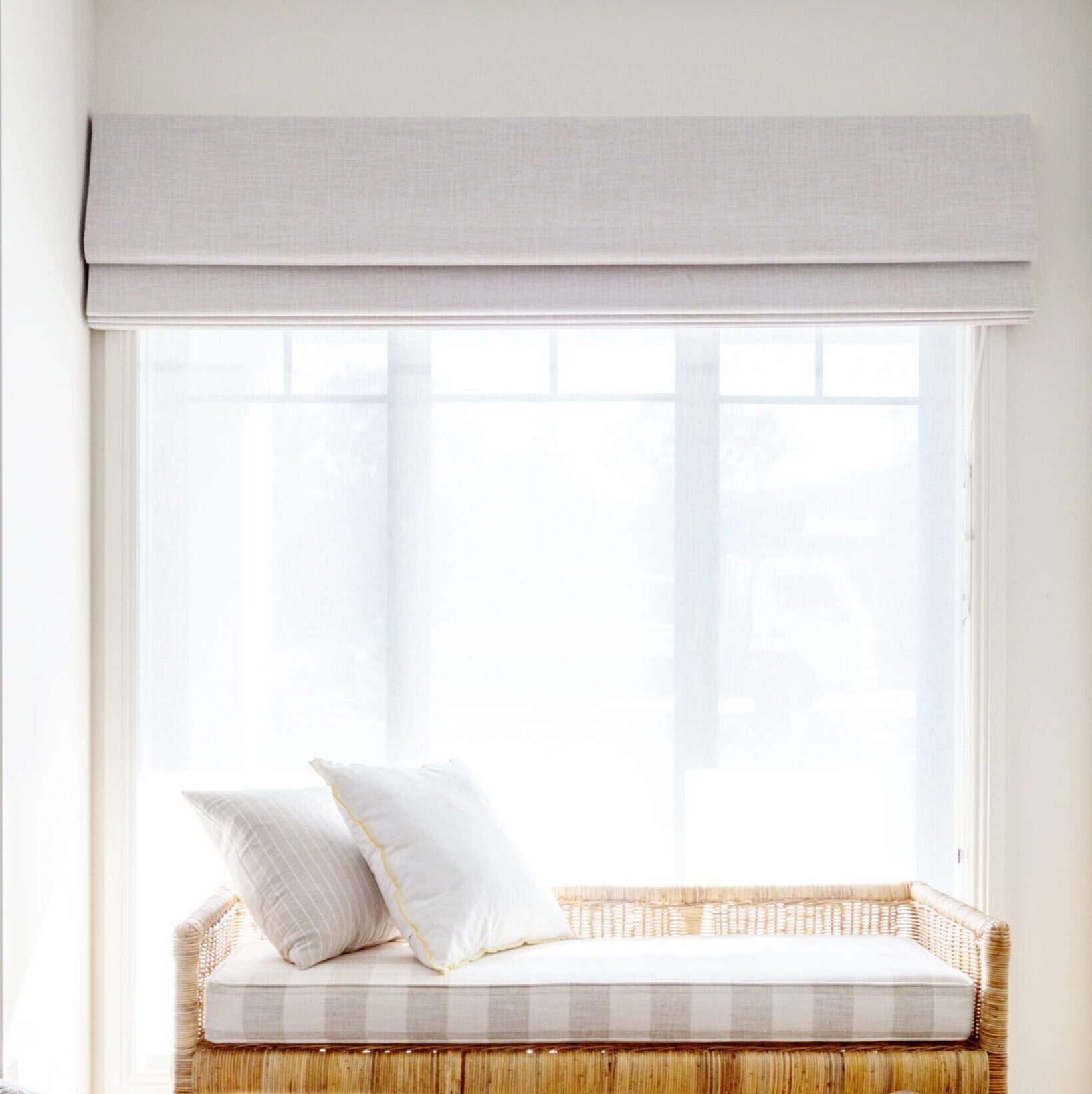
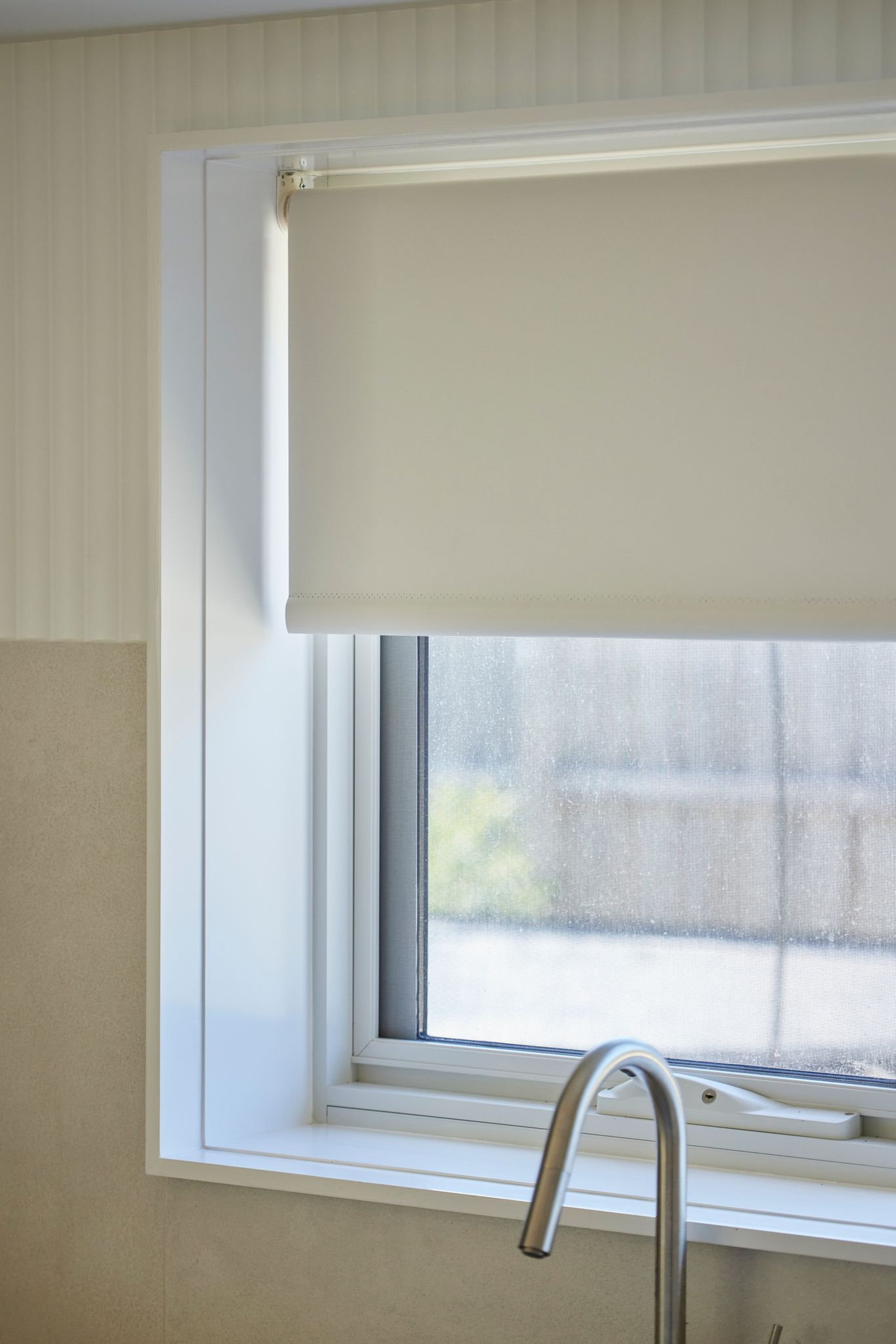
Vertical Blinds consist of vertical slats that rotate to adjust light. They are commonly used on large windows or sliding doors because they stack neatly to one side when opened. Roller Blinds provide a cleaner, more contemporary appearance, with fabric that rolls away when raised. Their simple operation and wide fabric range make them a popular choice for living areas, bedrooms and modern interiors.
Venetian Blinds feature horizontal slats that tilt to control light and privacy. They allow precise adjustment of light levels but can collect dust on the slats and require more regular cleaning. Roller Blinds use a single fabric panel that rolls neatly up or down, creating a streamlined look. With options such as blockout, sunscreen and sheer fabrics, Roller Blinds offer flexible light control with a modern, low maintenance finish.
Roman Blinds are fabric window coverings that fold into soft pleats when raised, creating a decorative and textured look. They suit more traditional or layered interiors and often use heavier fabrics. Roller Blinds sit flatter against the window and provide a simpler, more streamlined finish. With a wide range of fabrics and light control options, they are often preferred for modern spaces seeking a clean, functional aesthetic.
The key to getting window coverings that will last in Australia’s climate and perform as you expect is to invest in high quality custom Blinds.
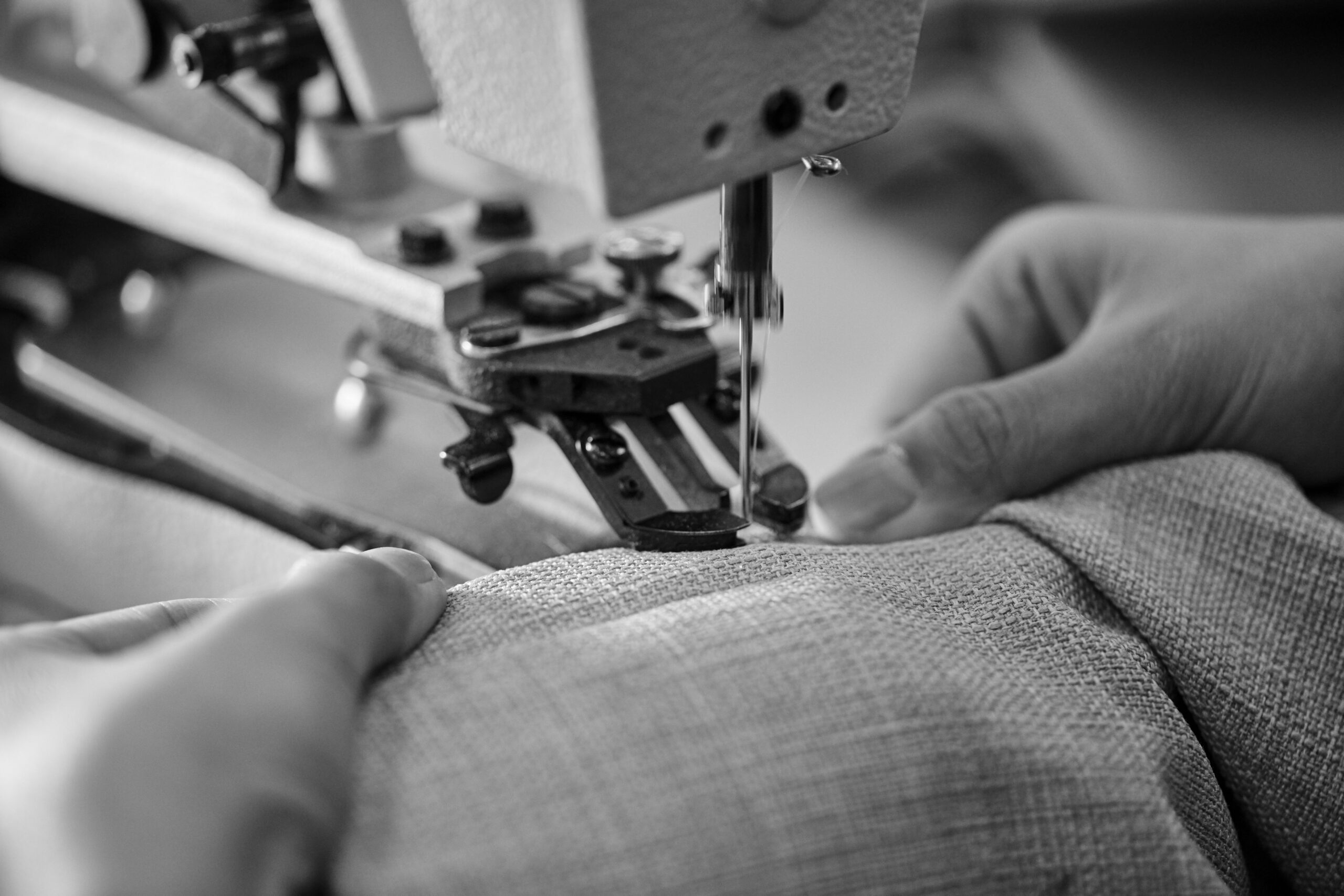
At dollar curtains + blinds, we’ve spent over 55 years researching the best fabrics, innovative mounting hardware, and other options to provide functionality and a well-designed finish.
When you order with us, your Australian Made Roller Window Blinds will be durable, coordinated to your decor, and easy to operate no matter where your window is located.
We offer custom made Roller Blinds across Melbourne, Canberra, and selected locations in New South Wales and South Australia. Contact us today for a free measure + quote!
FAQs.
Yes, our spring operated and motorised Roller Blinds are chain-free, meaning there is a reduced risk of potential dangers.
Yes, Roller Blinds are very easy to clean. They often only need a weekly dust with a microfibre cloth or vacuum brush attachment. For deeper cleaning, you can wipe them with a damp cloth and mild soap. Most types of Roller Blinds, especially sunscreen, are low maintenance and can be cleaned while hanging.
Roller Blinds last many years, with high quality, custom made options often lasting over a decade. Their longevity depends on material quality, sun/humidity exposure, and usage.