


How to Choose Curtain Material: The Ultimate Guide.

There’s never been more choice in the world of Curtain fabrics, and it can be overwhelming trying to narrow down the right fabric for your home. It’s not just about selecting styles that look good in your space, there are also some practical things to consider. In this guide, I’m going to cover the main things you need to know about Curtains so you can make an informed choice, from weight and coating, to material, colour and pattern.

Words by
Gina Beschorner – Style Curator
Topic
Photography dc+b
Share

Curtain Fabric Weight.

This refers to the thickness of the threads that make up the material. While there’s no need to know the exact GSM (grams per square metre) of the fabrics you’re considering, it’s important to understand whether the fabric is lightweight and sheer, or a heavier weight that may also offer blockout.

Two Main Curtain Fabric Types.

Sheer Curtain Material.


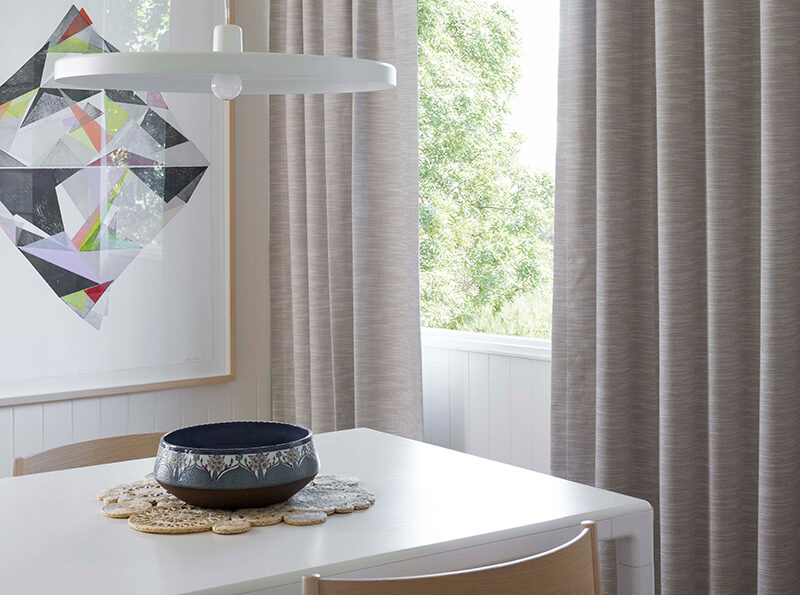
By far the most popular fabrics for Curtains in Australia at the moment are Sheers. They are translucent fabrics that offer daytime privacy, soften the appearance of spaces, and diffuse light beautifully.


In bedrooms where you need to achieve total darkness and privacy at night, Sheer Curtains need to be layered with a heavier fabric or another window covering solution, such as a Roller Blind.


However, in main living areas where privacy may not be a concern, Sheer Curtains could be the only window treatment you need.


Blockout Curtain Material.


As the name suggests, blockout fabrics block out light to offer privacy and darkness. Drapes are generally made from heavier weight, decorative fabrics and are lined to also achieve block out.


In bedrooms, media rooms or other rooms of the home where you want complete darkness and privacy, Blockout Curtains are an excellent option.


As well as light control, Blockout Curtains offer sound absorption to minimise outside noise, and provide excellent insulation benefits.

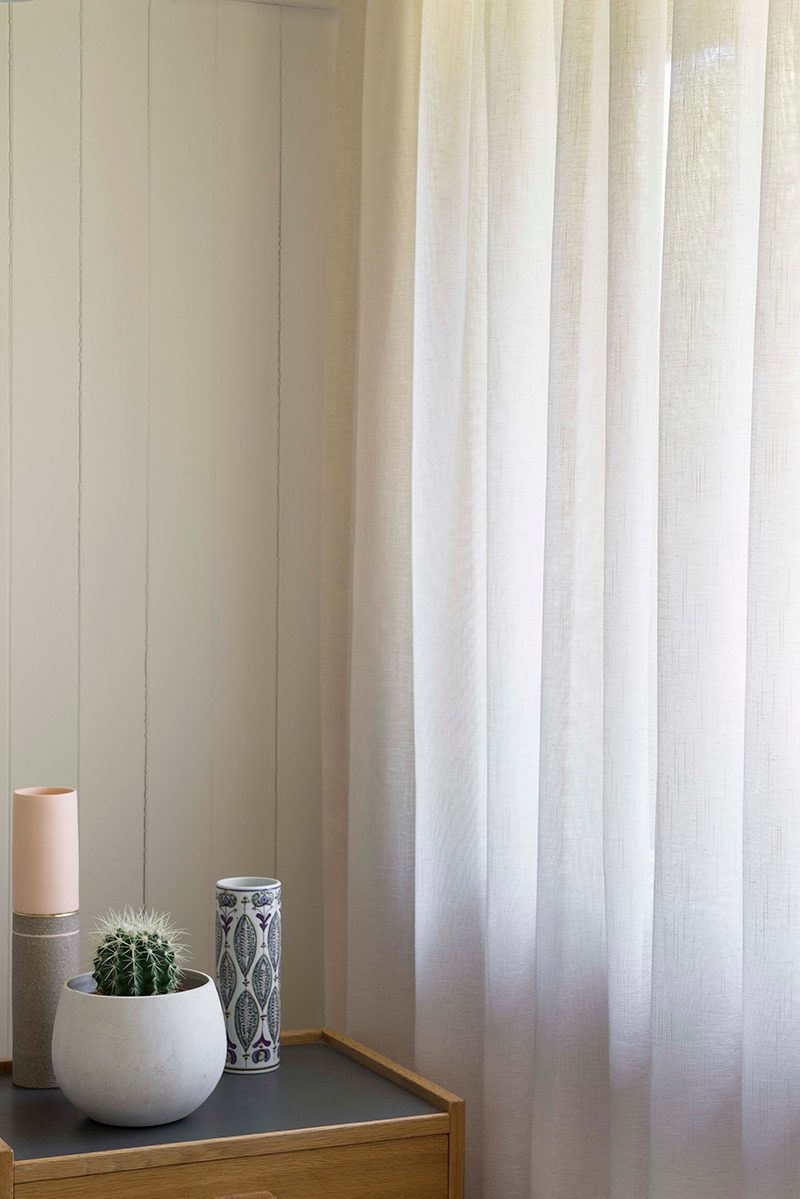
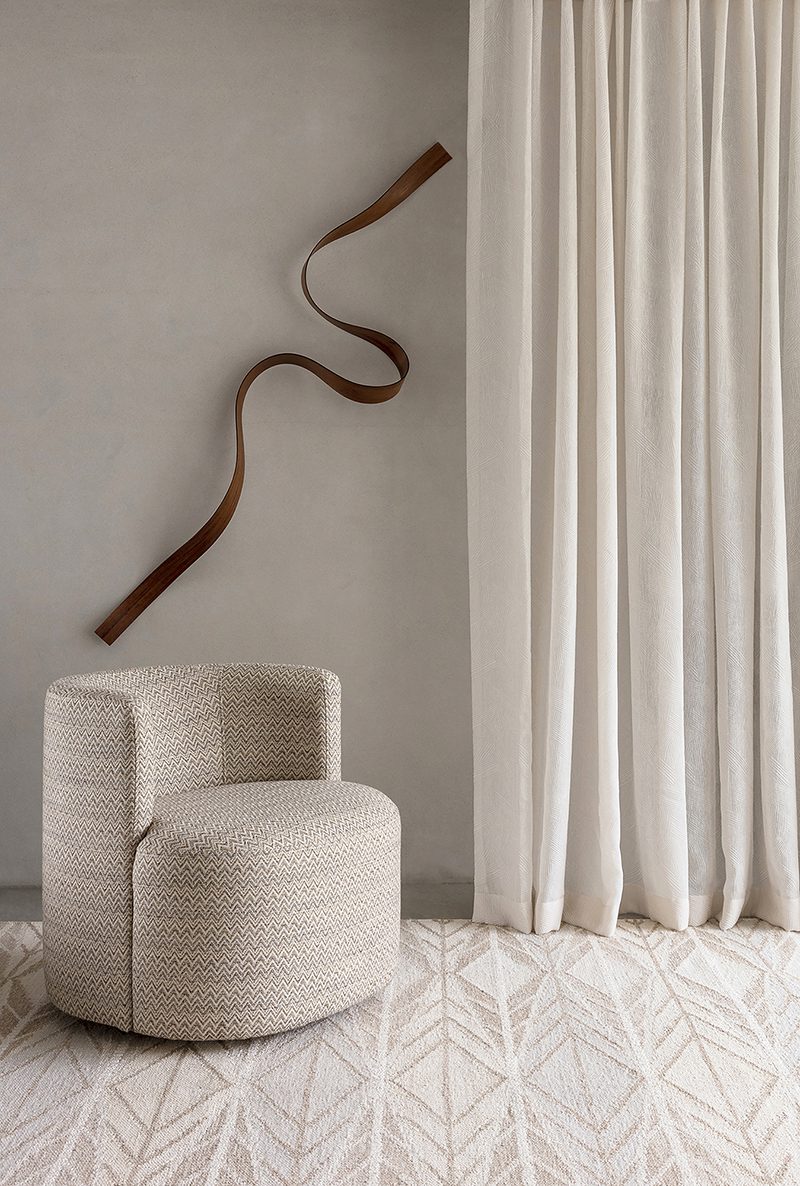
Sheer Curtains
 
Linen-look Sheer Curtains gently floating across the floor
 

Coated Curtain Materials.

You may have come across the term ‘fabric coating’. This refers to fabrics that have a lining applied to the back.

Coated materials help to block out light and generally do not need an additional layer of lining, which makes them a cost-effective choice.


In rooms where you do not need daytime privacy, a coated fabric Curtain may be the only window covering you require to achieve total privacy and block out at night.


dollar curtains + blinds have an extensive range of coated fabrics to choose from, including an array of colours, prints and textures. For quality and value, choose from the Curtains+ Complimentary Making range.

Curtain Fabric Material Types.

Another important aspect of the fabric is the type of material. This affects both the look and feel, and the performance of the fabric.


Linen Curtain Fabric.

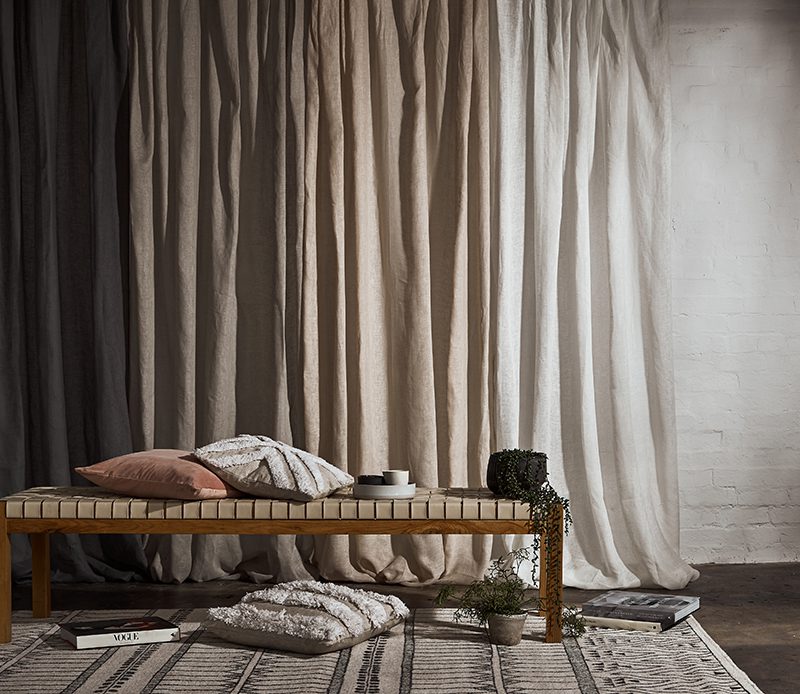
As the earthy trend continues to gain momentum in Australia, natural materials are gaining popularity. One of the most sought-after natural materials for Curtains is Linen.


However, before selecting real Linen, there are a few things to be aware of:

  • Linen colours can fade in sunlight, and over time this can create patchy and uneven Curtains
  • the material creases and can have an odour, which dissipates over time
  • Linen fabrics can shrink in humid environments, including when exposed to sunlight, in coastal regions or when used in bathrooms. This means there can be movement in the length of your Curtains


When designing Linen Curtains, it’s recommended to add more length to the drop to allow for this possible shrinkage i.e. design Linen Curtains to puddle on the floor.


To overcome these issues, dollar curtains + blinds have a range of linen-look fabrics available. Made from Polyester, or a Polyester/Linen blend, these high-quality fabrics look just like 100% Linen Curtains but offer superior performance and longevity.

Velvet Curtain Fabric.

Luxurious in nature, Velvet fabric continues to be a popular choice with its soft and tactile handle.

Velvet Curtains create an opulent look and are especially popular in stately homes and theatre rooms, often combined with custom made Curtain Pelmets.


Polyester Curtain Fabric + Man Made Blends.

By far the most popular material for Curtains in Australia is Polyester or a blend combining Polyester or Rayon with Cotton, Wool or Linen.


Man made fibres have come a long way since the ‘70s and many have such a soft, luxurious or textured appearance that they look just like natural materials.


Polyester fibres can be designed with a slubbed texture, creating a luxury look of a Dupion Silk (Pure Silk) without compromising on performance.


The benefits of Polyester fabrics are they:

  • are highly stain-resistant and easy to clean
  • can resemble natural fabrics like cotton, linen and silk
  • do not fade in sunlight
  • are less likely to wrinkle and will not shrink
  • often have good washability

Other Natural Materials.

Other natural materials suitable for Curtains include Cotton and Wool for drapery.


Cotton has some similar disadvantages as Linen, in that it is prone to wrinkling and there can be some loss of colour with sun exposure. It is also more prone to absorbing stains so does not have the same cleanability as man made blends.


Wool is a premium material that is naturally stain resistant and is a beautiful heavyweight option for Drapes. The price of this material means there is less choice in terms of patterns and colours, but it can be a great option if budget permits.

Linen Curtains
 
Linen Curtains
 

“The ultimate window covering solution is a Double Curtain that combines a blockout fabric and sheer fabric. It creates a luxurious look while also offering the greatest functionality – diffusing light and offering privacy during the day, and achieving total light control and privacy at night.”

— Gina Beschorner – Style Curator

Coloured or Patterned Curtain Material.

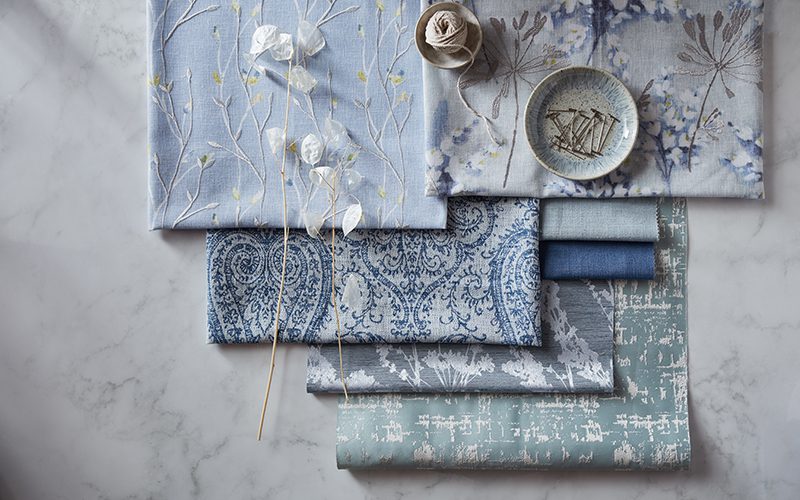
The fun part of selecting fabric for Curtains is finding a colour or pattern to complement your interior design scheme.


Depending on your style, you may look for a fabric in a similar shade to walls to achieve a subtle, tonal interior. This is particularly common in coastal style homes where crisp white Curtains are matched to bright white walls for a light and airy interior.


Alternatively, you may like your Curtains to contrast in the space, by selecting a darker shade or a colour from the opposite side of the colour wheel as your walls. For example, if you have red brick internal walls, you may like to select a muted olive green colour fabric for your Curtains.

When it comes to pattern, there’s both the print that can be applied (such as a botanical print) or the surface texture of the fabric which can also form a pattern.


The trick to pulling off a bold pattern is all about scale and considering the other design elements in a space. If there are other patterns in the space, such as a floor rug or wallpaper, you need contrast between the scales of the patterns so they complement rather than compete. This will achieve an overall soft furnishing scheme that works.

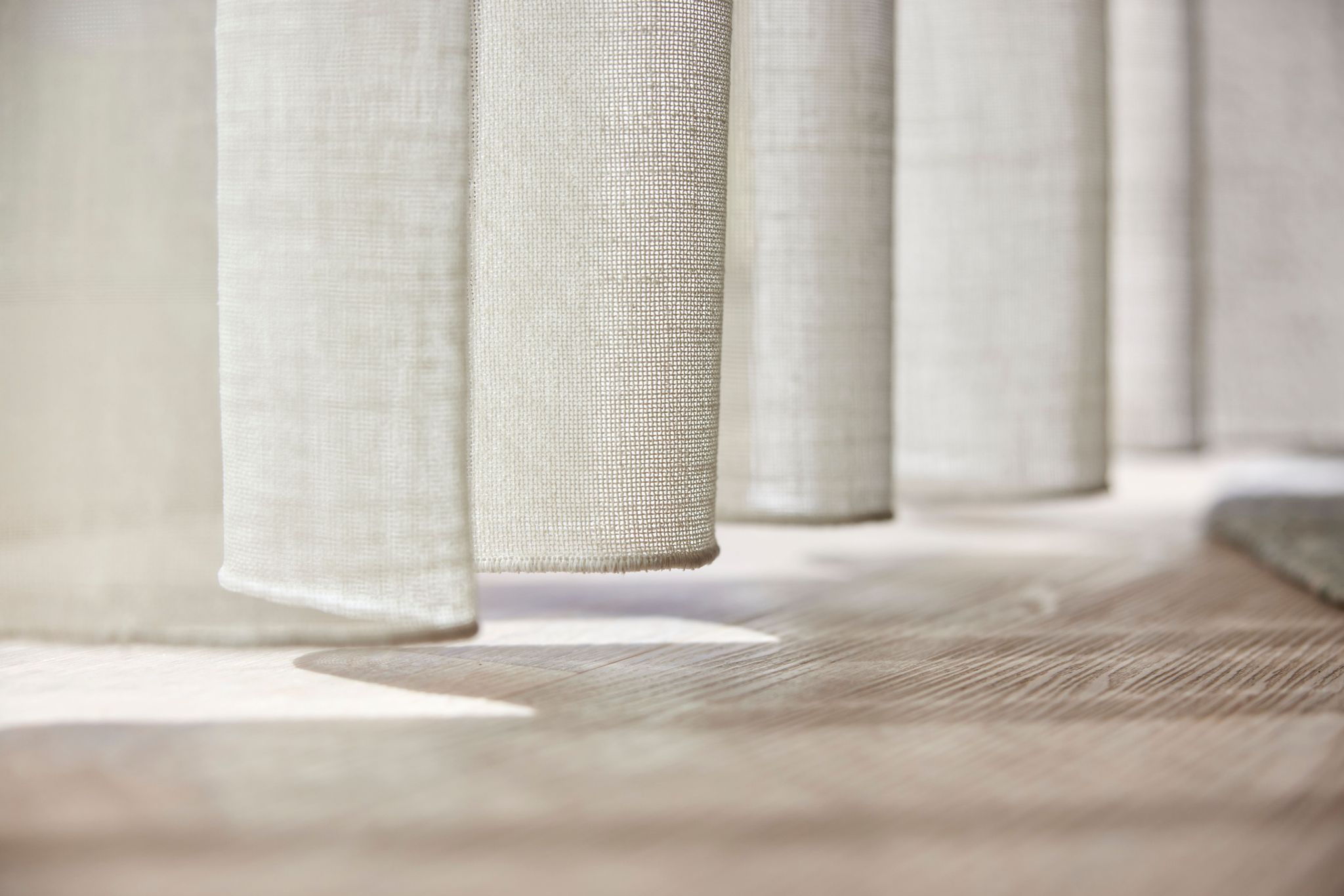
Fabrics can also have a pattern on the surface texture. These can be subtle, such as a fabric with a visible weave, or more pronounced such as embroidery, matelassé or a flock. There’s a trend across interiors towards fabrics with a weave pattern, such as fabrics that mimic the appearance of raw Linen.

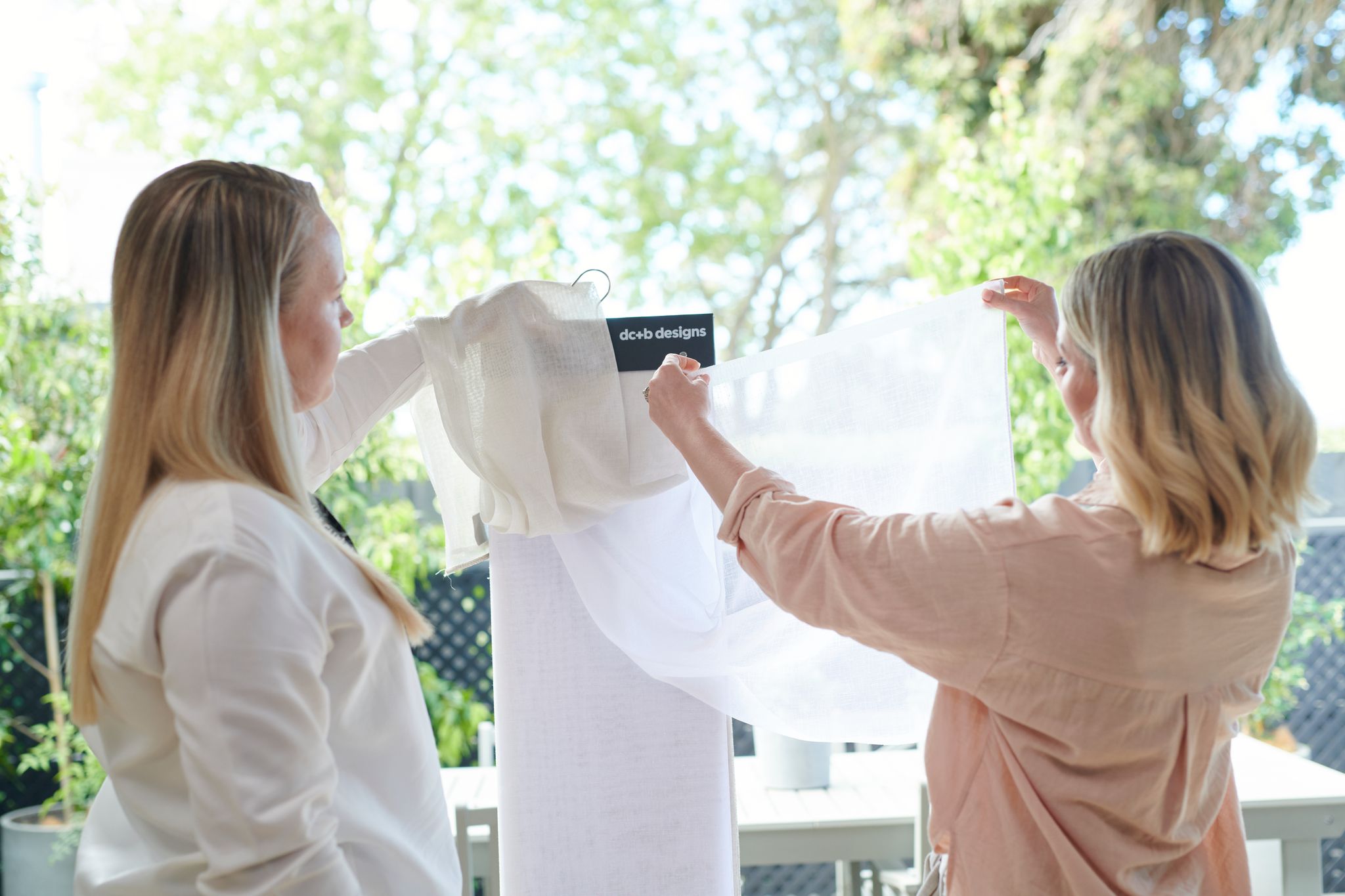
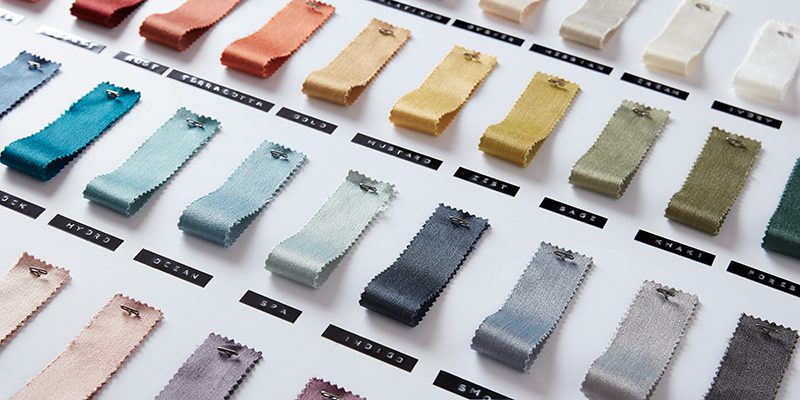
Fabric Samples
 
Fabric Samples
 

Choose dc+b for High Quality Fabrics.

It’s important to keep in mind that each fabric has its own characteristics and performance levels.

With Australia’s largest range of Australian Made designer fabrics for Curtains, you’ll be spoilt for choice at dollar curtains + blinds.

Discover more about our fabric range online or visit your nearest dollar curtains + blinds store for free samples. We have showrooms in Melbourne, Canberra, New South Wales, and South Australia.
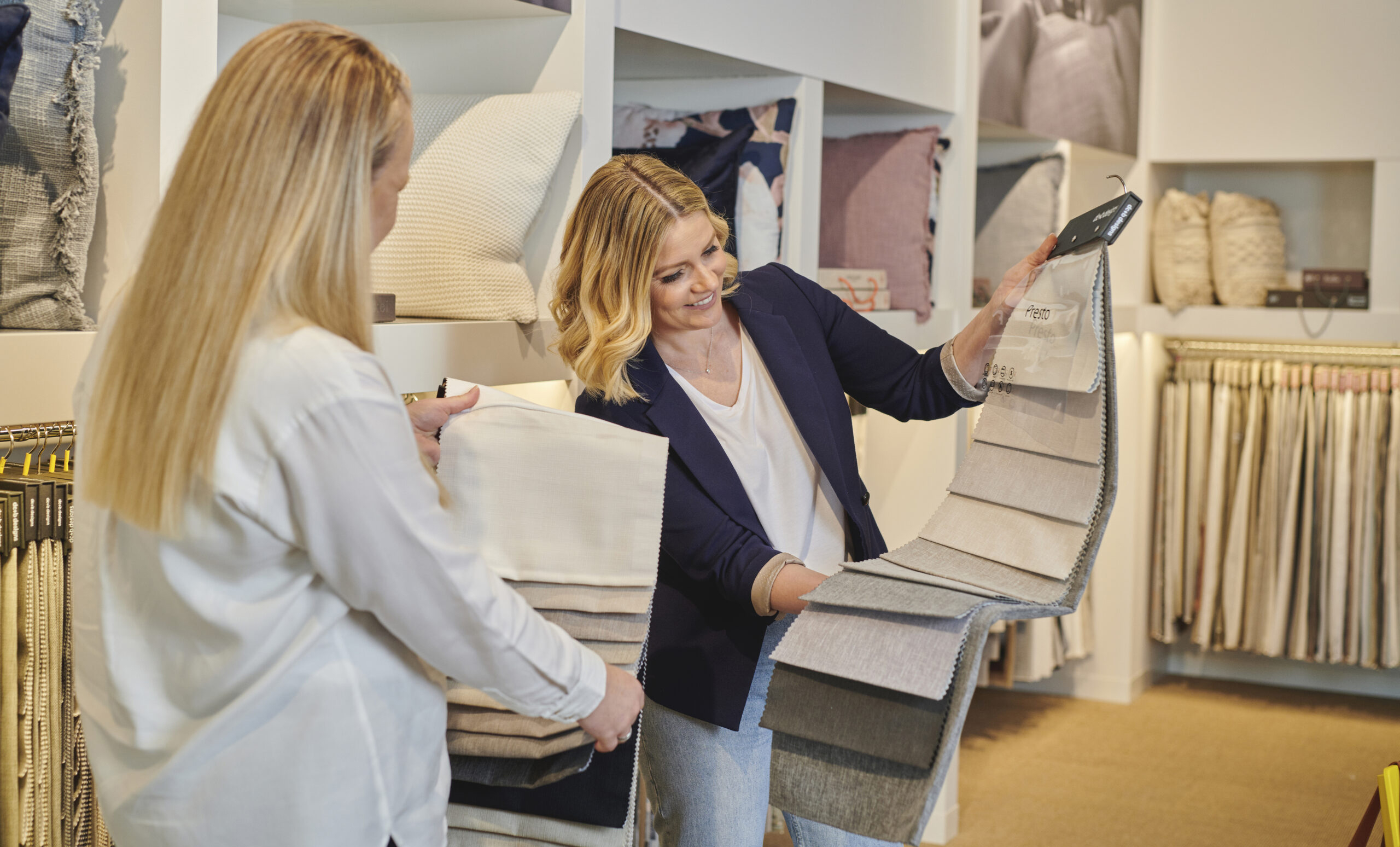

Customer service inside dc+b store

FAQs.

What’s the Difference Between Timber, PVC, and Aluminium Made Shutters?

Polyester is a top choice for durability and low-maintenance, Linen offers a natural, airy look, and Velvet is superior for luxury, insulation, and blockout capabilities.


What’s Better: Natural or Synthetic Curtain Fabric?

Neither natural nor synthetic fabrics are better; the choice depends on what’s important to you. Natural fabrics offer superior, elegant drapes and eco-friendly appeal, while synthetic fabrics are cost-effective, fade-resistant, and easy to clean.


What Curtain Material Doesn’t Wrinkle?

Polyester is the best material for resisting wrinkles, making it an ideal, low-maintenance choice for home decor.

What Fabric Curtain Material Is Best for High-Humidity Areas?

Polyester and Acrylic-coated fabrics are moisture-resistant, quick-drying, and resistant to mould and mildew, making them superior choices for humid, steamy, or coastal environments.


Are Velvet Curtains Suitable for the Australian Climate?

While they are often associated with colder climates, the dense, heavy, and insulating properties of Velvet Curtains make them a great choice for regulating temperatures in Australian homes, helping to keep interiors warm in winter and cool in summer.

Need help?
For expert advice
call 03 9237 1200.

Continue reading.