Curtains vs Blinds vs Shutters – Which Should You Choose?

When it comes to choosing the best window covering options for your home, the range of choices available can feel overwhelming! In this guide, learn about the differences between Curtains, Blinds and Shutters and which are best for you and your home.

Words by
dc+b editor
Topic
Photography dc+b
Share

Blinds vs Curtains vs Shutters at a Glance.

Curtains Blinds Shutters
Best for Bedrooms, living and dining rooms Kitchens, studies, laundries, layering Facades, unique window shapes, wet areas
Insulation Excellent with blockout fabric, lining and a pelmet Great, best with cellular blinds to save up to 48% of energy Great, solid panels in a fitted frame
Full blockout Yes, with blockout or double curtains Depends on the type of blind and whether pelmets are used Very good, though not total
Privacy Day/night when you layer sheer and blockout Day/night with double blinds Adjustable, simply tilt the blades
Cleaning Needs the most care, fabric based Easy, wipe down fabrics available Easiest, wipe down with a damp cloth
Child + pet safe Cordless and motorised options available Cordless and motorised options available No chains or cords at all
Motorisation Yes Yes Not available
The feel Soft and warm, adds height to a room Neat and unobtrusive, lets the view lead Architectural, reads as part of the house

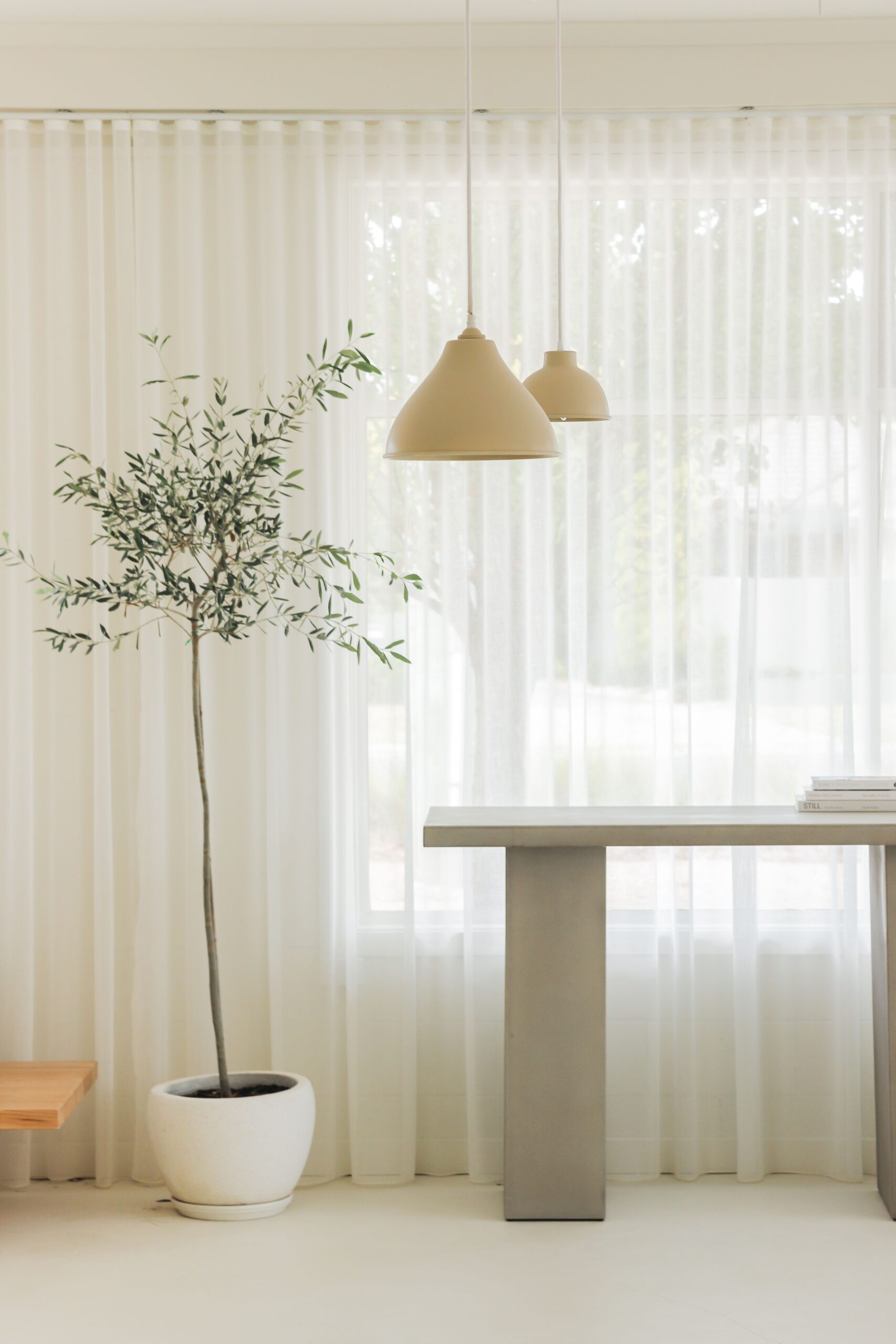
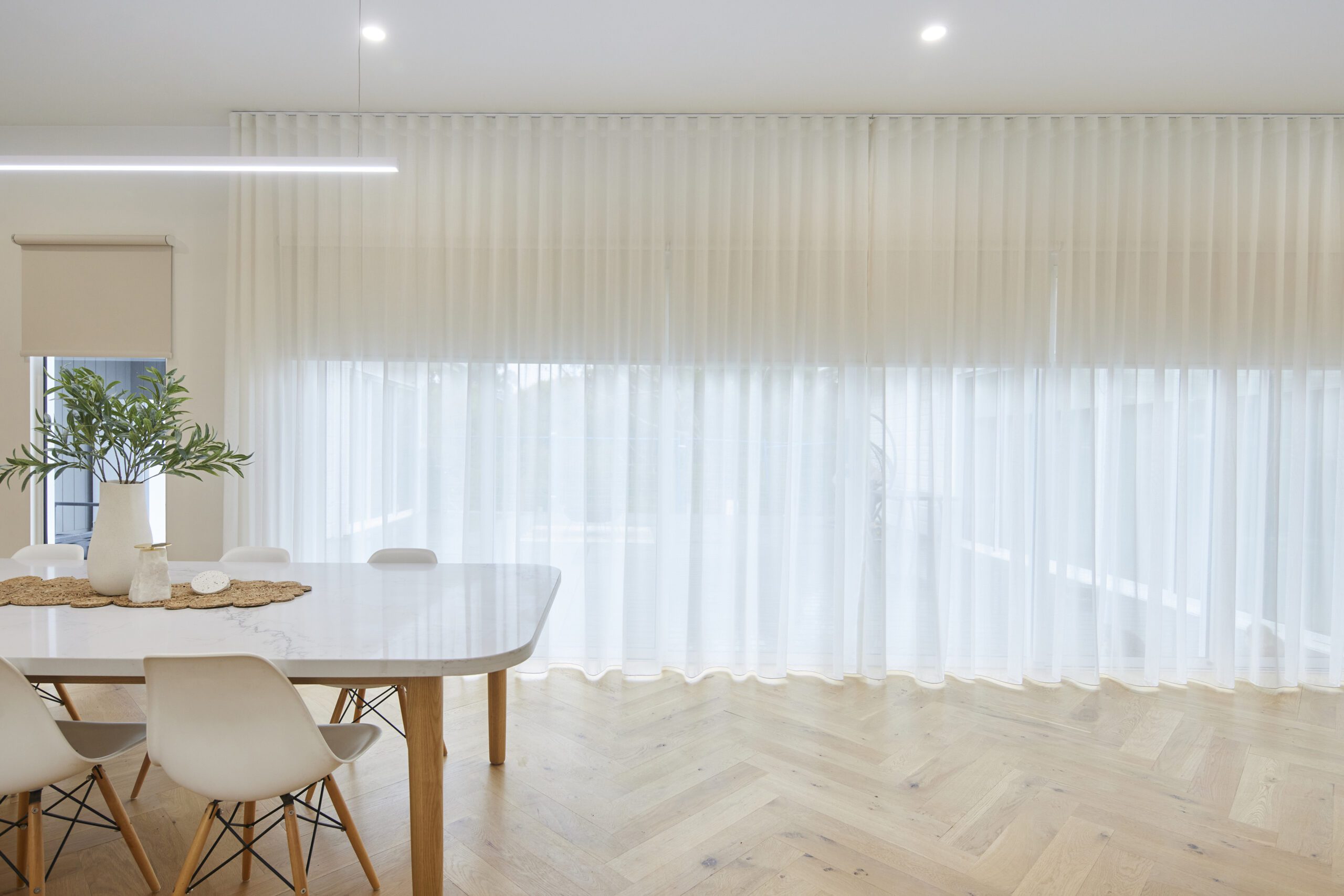
Sheer curtains in a minimalist living room with a potted olive tree and timber table

Curtains.

What Are Curtains?

Soft, flowing and warm, Curtains can be made in Sheer Fabrics and Blockout Fabrics. You can choose either or both (Double Curtains), or combine them with another product to create a layered finish.

Available in multiple heading types and different styles and shapes of track, there are endless ways to personalise your look when it comes to Curtains.

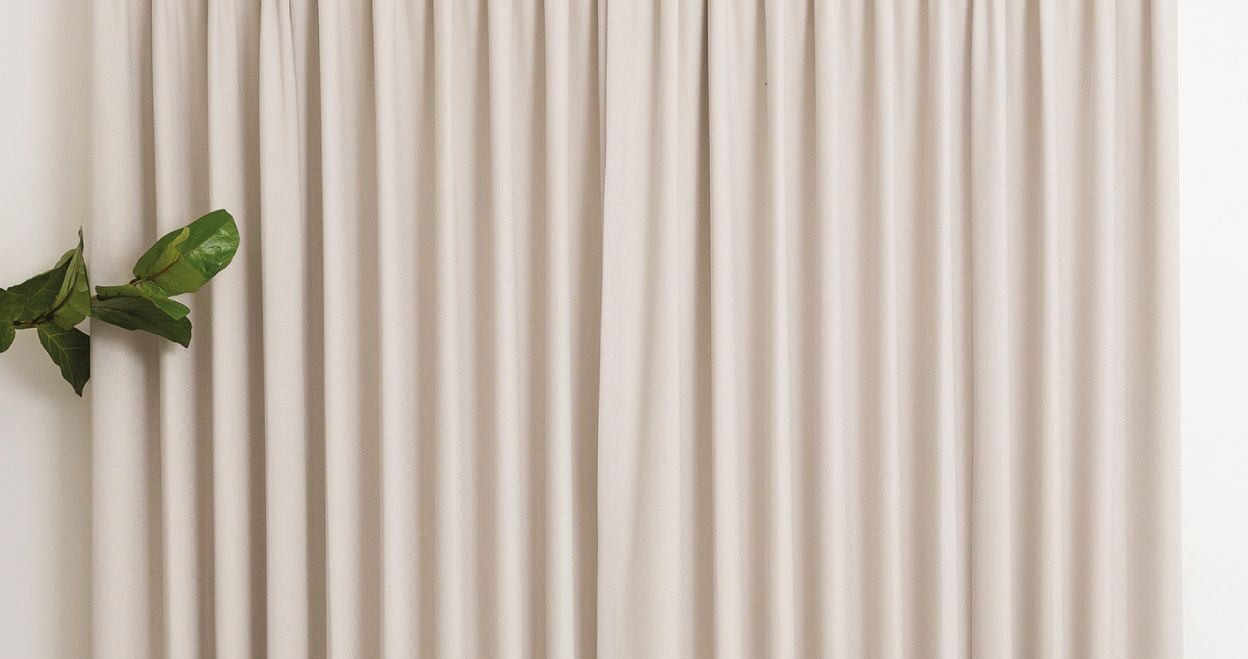
Close-up of wave-pleated beige curtains with a green plant leaf in the foreground

Pros + Cons of Curtains.

Pros

  • Endless options for personalisation (style, fabric, transparency, colour, length, control type and accessories).
  • Provides UV protection for furniture, furnishings, and flooring.
  • Ideal choice for thermal and sound insulation.
  • Adds the Illusion of height to a room.
  • Adds warmth and softness.
  • Create movement and texture.

Cons

  • Harder to keep clean than Blinds or Shutters, so more care is needed especially for those with young children and pets.
  • Best not used in wet areas. It can be done, but over time the fabric will begin to break down and may become dirty in the damp environment.
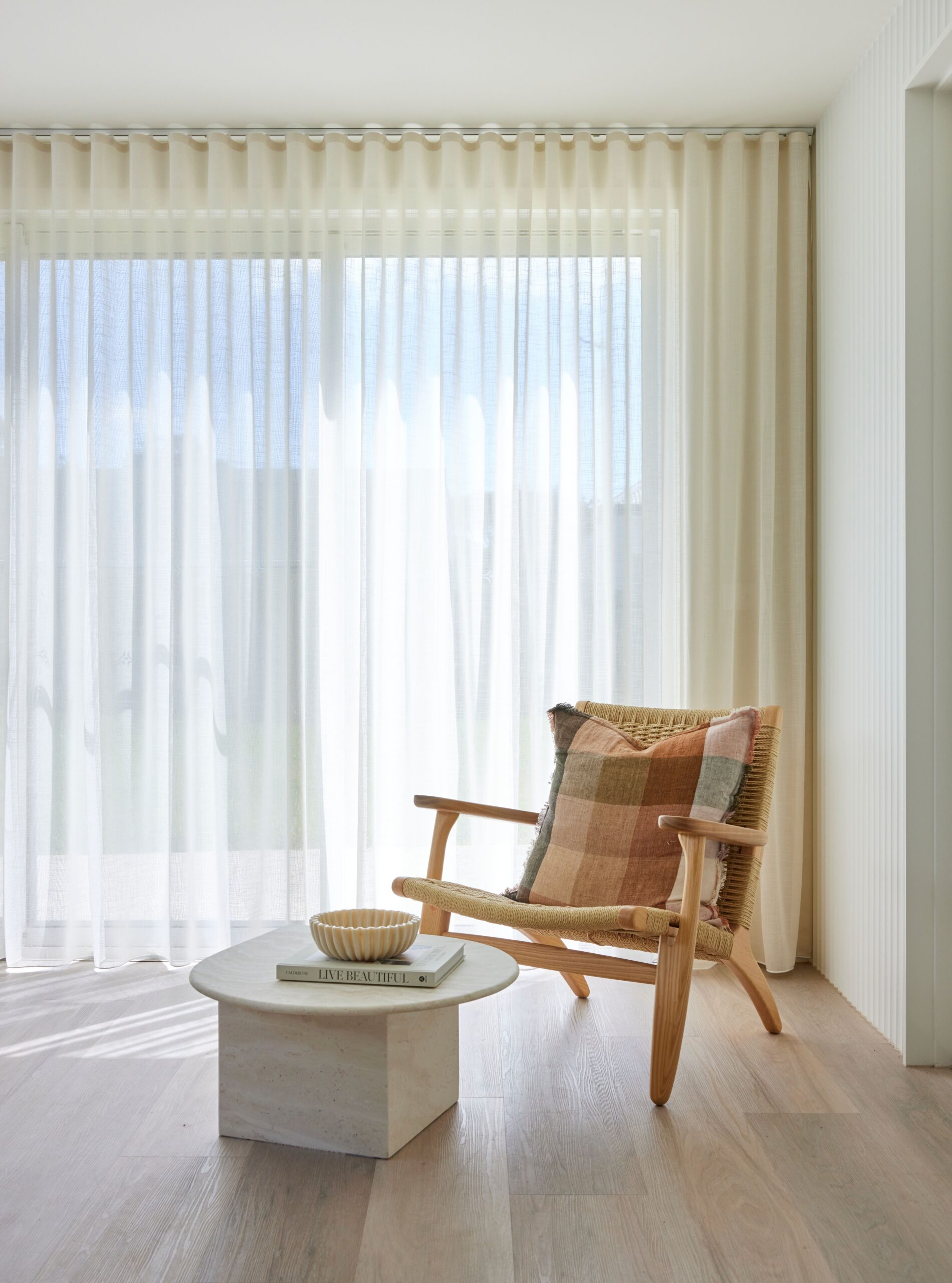
Sheer curtains behind a rattan armchair and timber coffee table in a sunlit living room

Types of Curtains.

Sheer Curtains

Designed to reduce glare but allow the daylight through, Sheer Curtains can be used to great effect for daytime privacy or to add texture and softness through a layered window solution.

They add movement and texture and are a great choice to soften the look between your indoor and outdoor living areas. With a wand and minimal effort, your Sheer Curtains can glide easily from side to side. You can find more in our blog 5 things you should know about Sheer Curtains.

Blockout Curtains

A great choice for bedrooms or dining and living rooms, with Blockout Curtains you can choose from coated fabrics or select an uncoated fabric with lining fabric attached.

If you are looking for complete light control, then lined Curtains are the ideal solution. Combined with Curtain Pelmets you can enjoy the ultimate in room darkening and insulation.

Double Curtains

Two is always better than one, right? Our Double Curtains combine a Blockout Curtain and Sheer Curtain on the one window for a well designed and practical finish.

The perfect investment for your windows and your home, they give double the practical benefits as well as all the visual benefits of soft, luxurious Curtains.

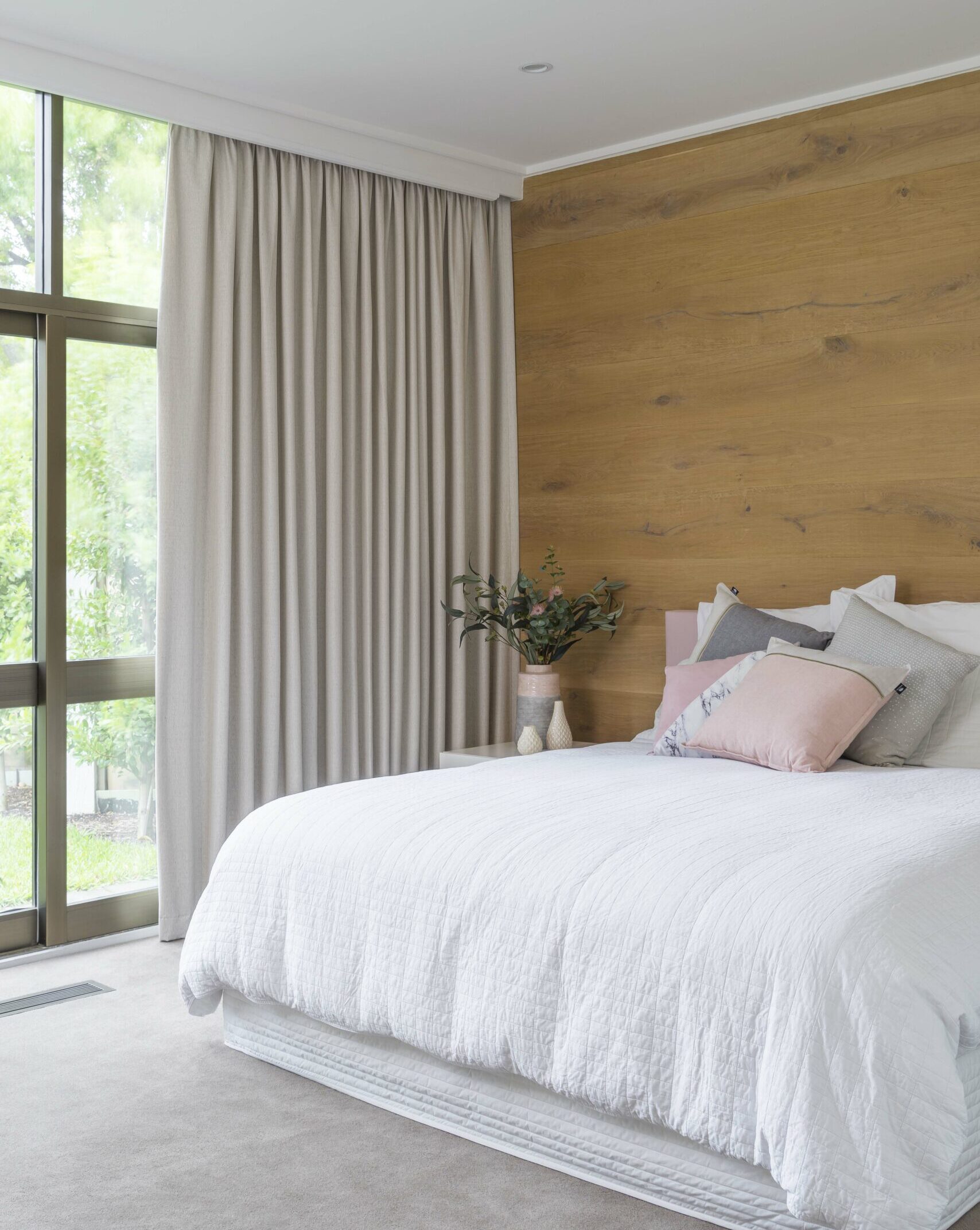
Blockout curtains in taupe fabric beside a bedroom's floor-to-ceiling glass doors

Blinds.

What Are Blinds?

The term Blinds actually covers a range of products. There are Cellular Blinds, Roman Blinds, Venetian Blinds, Vertical Blinds, and Panel Blinds, and the most common Blind, the Roller Blind.

For this blog we have focused on the Pros and Cons of Roller Blinds, but we have included a brief description of the other varieties for you as well.

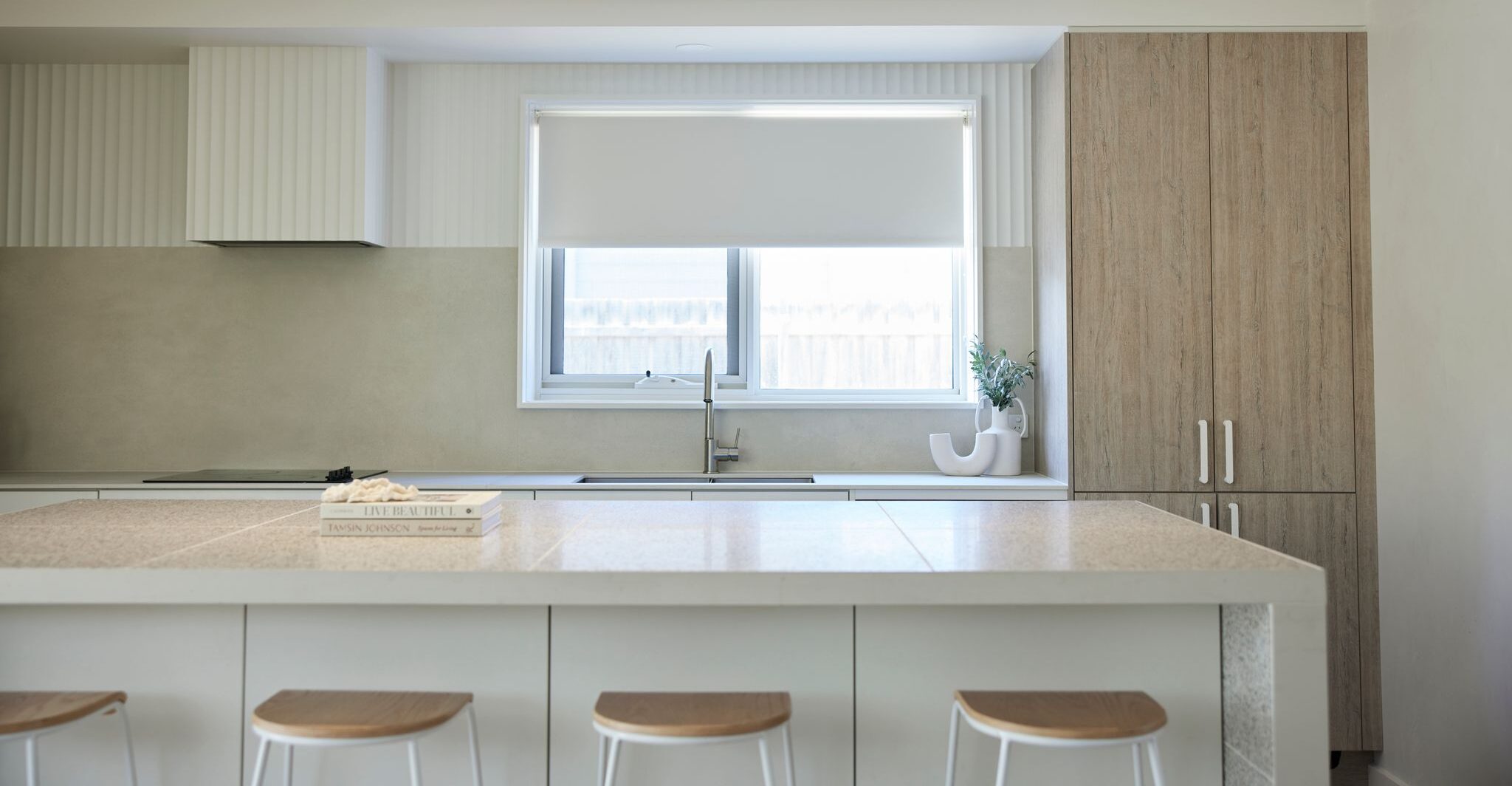
White roller blind over a kitchen window with sage green cabinetry

Pros + Cons of Blinds.

Pros

  • Affordable and versatile.
  • Available in easy to clean fabrics as well as decorative fabrics.
  • Easy to use.
  • Perfect for layering behind Sheer Curtains for light control.


Cons

  • Not all Blinds offer complete light blockout, so if you are someone who needs a room completely dark to sleep, you will need to add a pelmet.
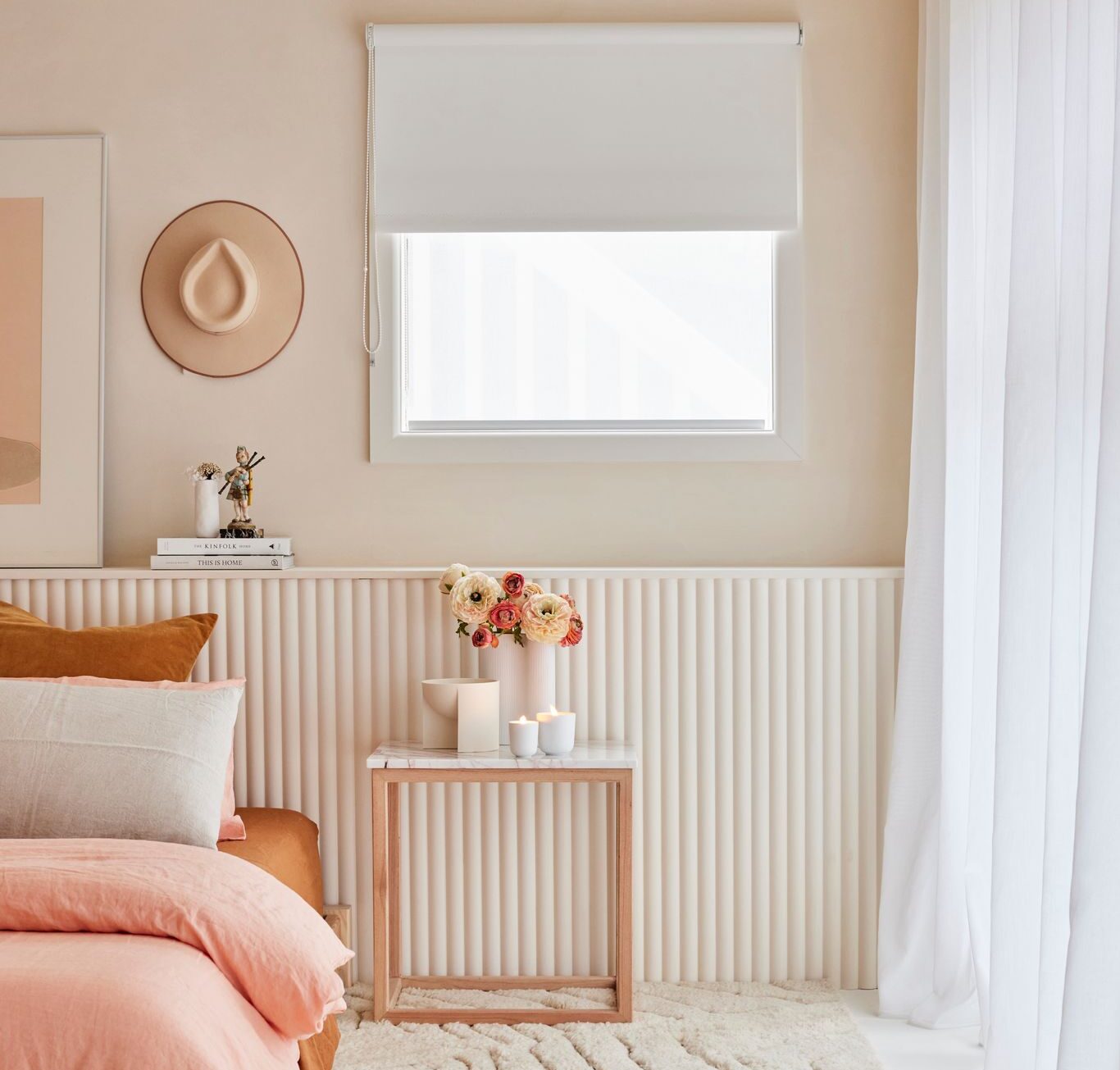
Roller blind and sheer curtain in a blush pink bedroom with a bedside styling vignette

Types of Blinds.

Roller Blinds

The quiet over achiever, simple in design and construction, Roller Blinds are comprised of a flat piece of fabric with a base rail which is attached to a tube and then connected to a chain drive. Available in both blockout or sheer to semi sheer fabrics, or combine both on the one specialised bracket. Simple but effective.

Cellular Blinds

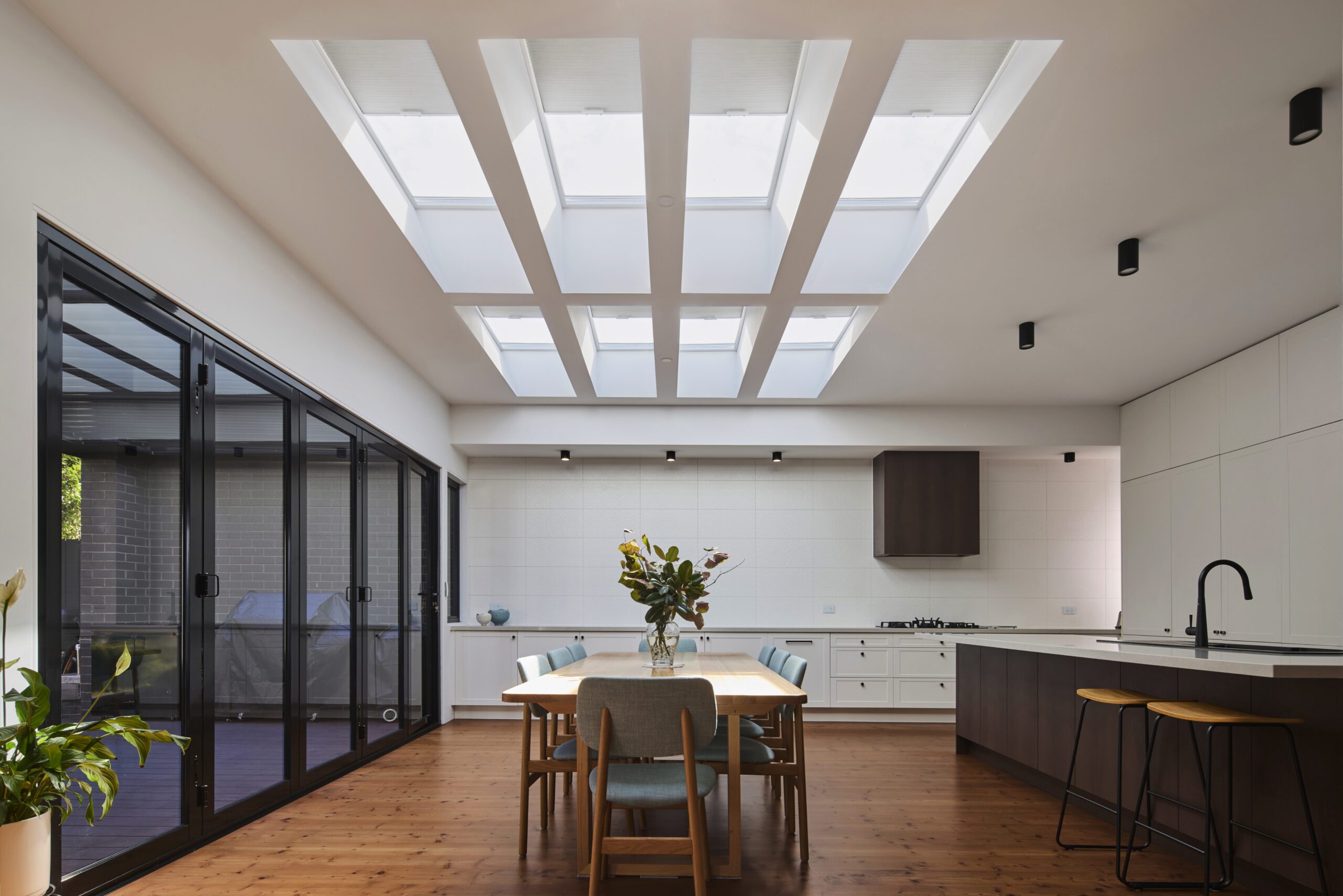
The ultimate energy saving Blind, Cellular Blinds are designed with a unique honeycomb cell shape that creates pockets of energy saving insulation. Perfect for superior thermal protection for your home.

Roman Blinds

Combining the functionality of a Roller Blind with the decorative impact of soft furnishings, Roman Blinds have luxurious pleated folds which are raised fold by fold, creating a soft layered look.

Venetian Blinds

Venetian Blinds are modern and functional and create a timeless and classic style in any home. Made from timber or aluminium, they are perfect for privacy, light control, and ventilation.

Vertical + Panel Blinds

A highly affordable Blind for large windows or doors, Vertical Blinds are made with vertical blades of stiff fabric which can be easily adjusted to control light. Suitable for both home and office. Just like a Vertical Blind only larger, but in a good way. Consisting of wide vertical blades of fabric, Panel Blinds offer a slightly more contemporary look. A highly affordable Blind, they are ideal for large windows or doors.

Double Blinds

Double Blinds are the combination of a Sheer Blind and a Blockout Blind on the one bracket, providing daytime and night time privacy.

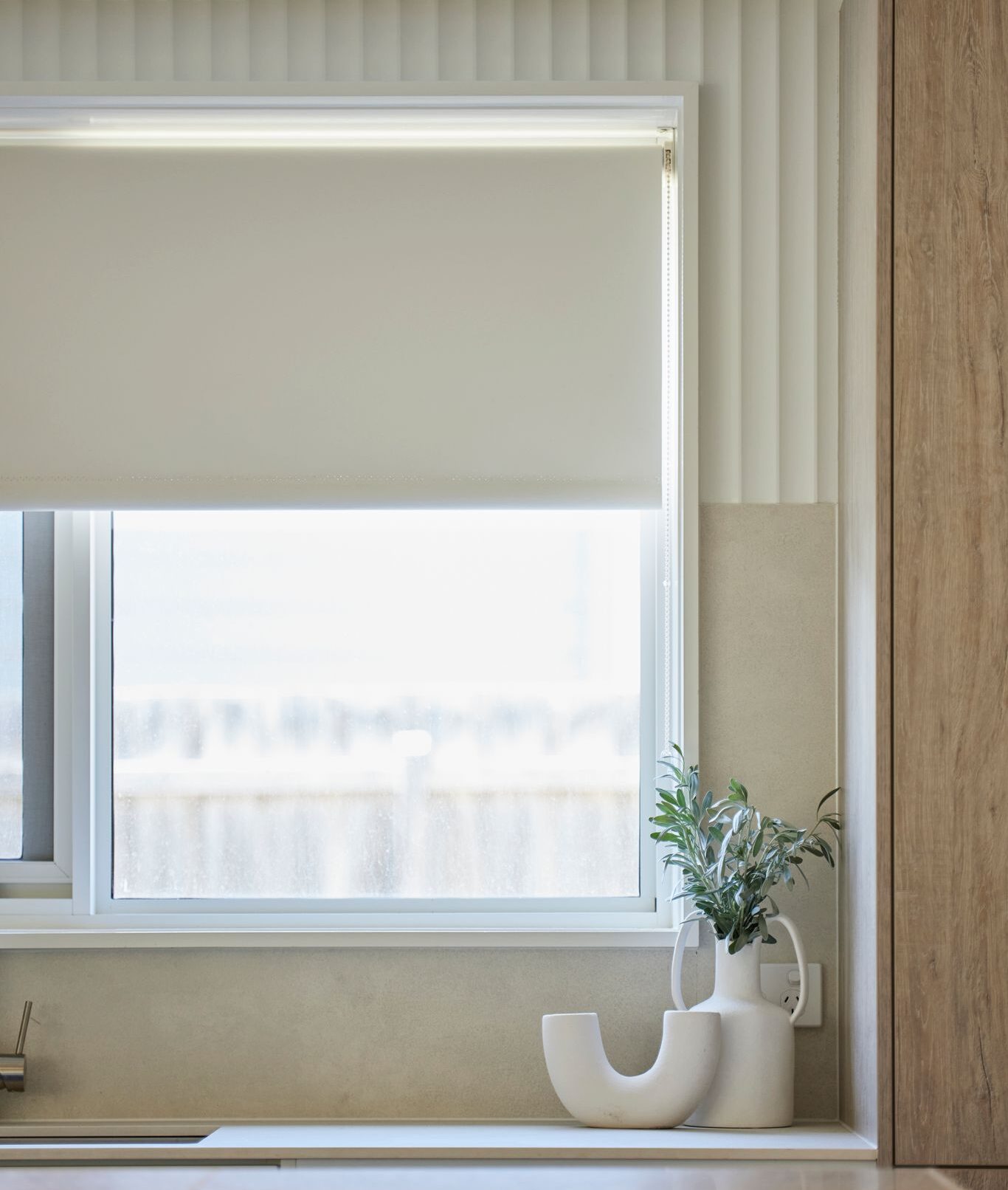
Cellular honeycomb blind on a window beside a timber wall and vase of greenery

Shutters.

What Are Shutters?

Shutters are elegant, durable and best of all, practical. With excellent thermal insulation, they provide the ultimate in light control, allowing natural light in while still offering the level of privacy required.

Designed and crafted to fit your exact window and door dimensions, you will be pleased to know they come in a wide range of colours and stains. Available in timber, PVC or Aluminium, there is an option to suit any space.

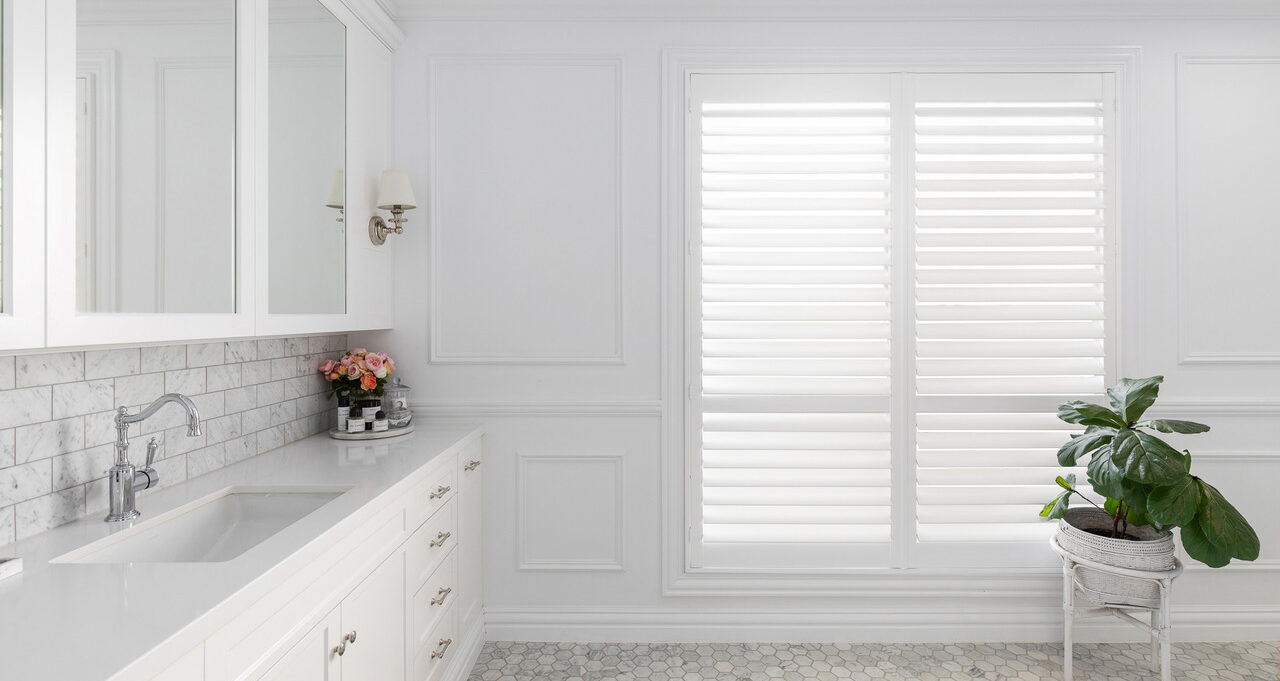
White plantation shutters on a bathroom window above a marble vanity

Pros + Cons of Shutters.

Pros

  • Custom made to fit any shape window or door, making them a great option for tricky shaped windows.
  • Enhance your home’s facade.
  • Can be fitted onto French doors.
  • Child and pet safe, no chains or cords.
  • Strong and durable.
  • Ideal for thermal and sound insulation.
  • UV protection for furnishings and flooring.
  • Easy to use and clean.

Cons

  • A more permanent window covering solution, which makes them harder to remove if you do change your mind.
  • If you have large window winders your Shutters may need to be installed onto the face of the window to avoid them, which means they will project further into the room.
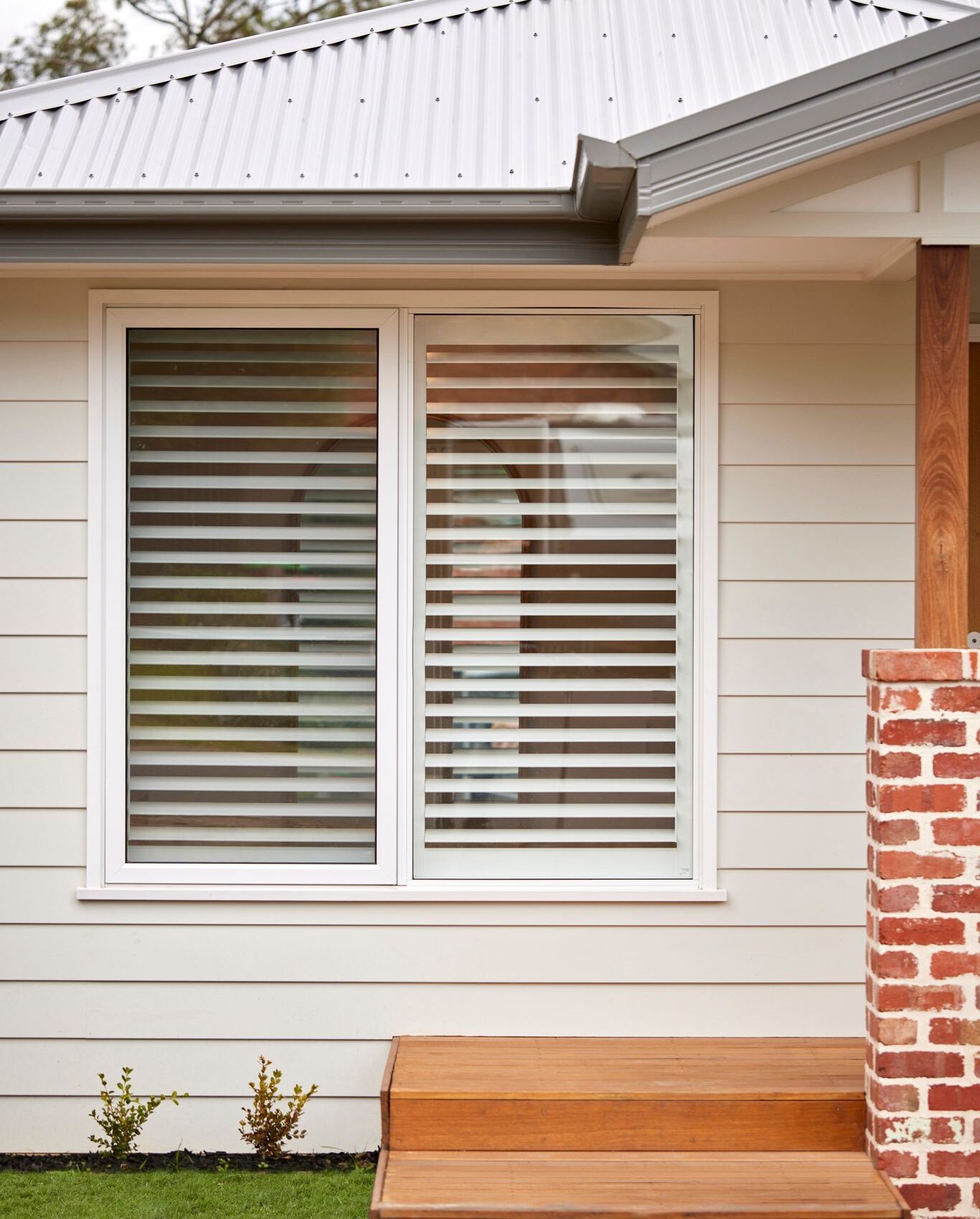
Exterior plantation shutters on a weatherboard home's windows

Types of Shutters.

Plantation Shutters

The most traditional Plantation Shutters are timber. Designed to be used indoors in dry areas, these come in a painted or stained finish.

PVC Shutters have been designed to be used in wet and damp areas like bathrooms. They will not expand, crack, or bow in a damp environment the way traditional timber Shutters will. They are made with an aluminium core which strengthens the blades and panels, adding extra support for a more durable, longer lasting Shutter. Available in a painted finish only.

Aluminium Shutters

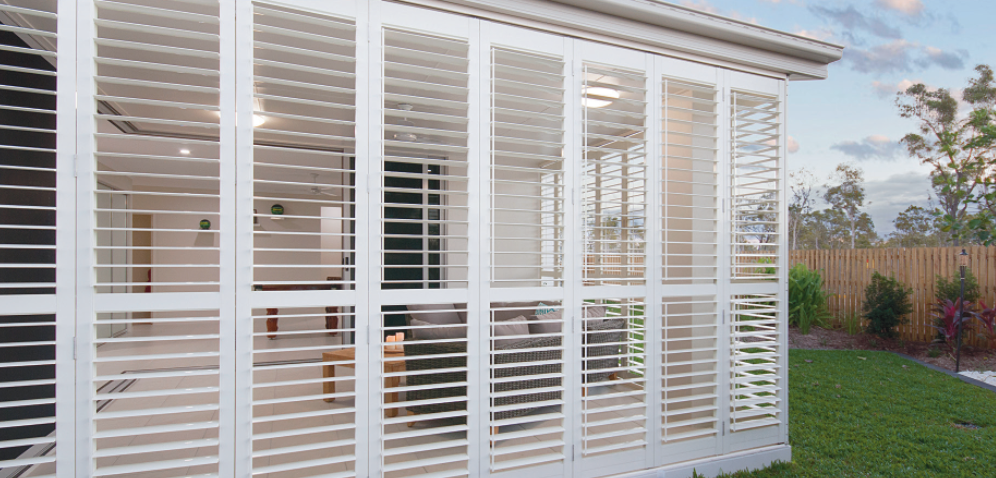
Aluminium Shutters are made for the great outdoors. Like their name suggests, these Shutters are made from aluminium and are designed to be used outdoors.

Commonly used in alfresco areas to create a barrier in voids whilst still having light and airflow control.

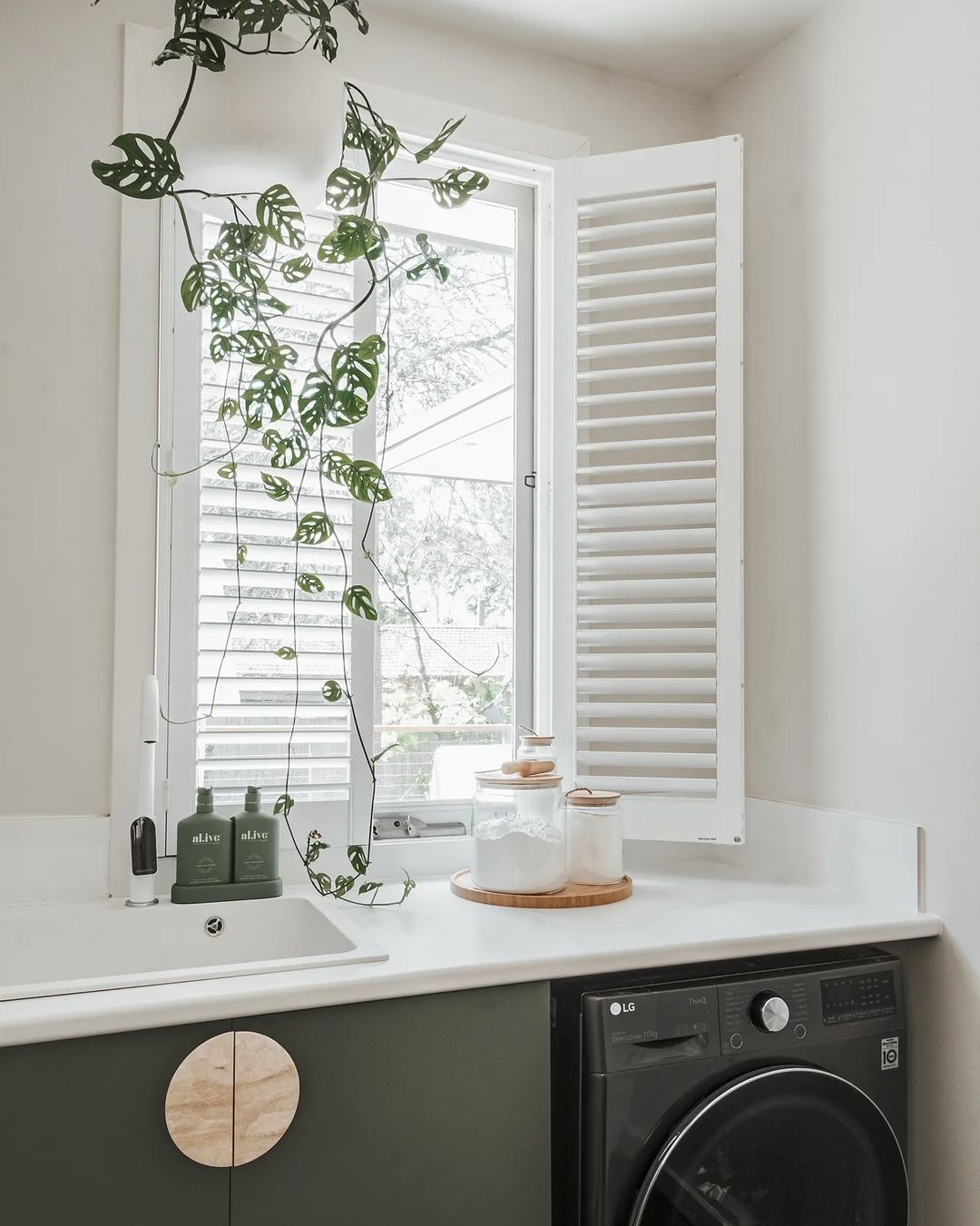
White PVC plantation shutters on a laundry window with green cabinetry and a trailing plant

Blinds or Curtains or Shutters? How Their Features Compare.

Now that you know what each product is, here is how they stack up against each other on the questions we get asked most often in store.


Insulation + Energy Efficiency.

Curtains insulate through fabric mass, Blinds through the honeycomb cells in a Cellular Blind, and Shutters through solid panels in a fitted frame. The best single performer is a lined Blockout Curtain with a Pelmet, and layering a Blind or Shutter behind a Curtain does better again.

Privacy + Light Control.

Shutters give the finest control, because you tilt the blades to let light in while keeping the view out. Curtains and Blinds work open or closed, which is why Double Curtains and Double Blinds are so popular, and why a Blockout Curtain is still the safest choice for a properly dark bedroom.

Style.

Curtains soften a room, adding height, warmth and texture. Blinds are the neat option that lets the view do the work, while Shutters read as part of the architecture, which is why they suit period homes and awkward window shapes.

Cost.

Everything is made to measure, so price comes down to window size, fabric or material choice, how many windows you are doing at once, the control type and whether it is motorised. As a guide, Blinds (specificcally Roller Blinds) are the most affordable, Curtains sit in the middle, and Shutters cost the most upfront but last the longest.

Cleaning + Maintenance.

Shutters need little more than a wipe down, Blinds come next with easy clean fabrics available, and Curtains take the most care. That is why we would steer you toward PVC Shutters or a moisture friendly Blind in bathrooms and other wet areas.

Child + Pet Safety.

Shutters are the safest by design, with no chains or cords anywhere on the product. Curtains and Blinds can be made child safe with cordless controls or motorisation, so tell your consultant at the measure if the room is a nursery or a child’s bedroom.

Motorisation + Automation.

Curtains and Blinds can both be motorised, operated by remote or set to open and close on a schedule. It makes the biggest difference on skylights and hard to reach windows, and it is the cleanest way to make a window covering child safe.


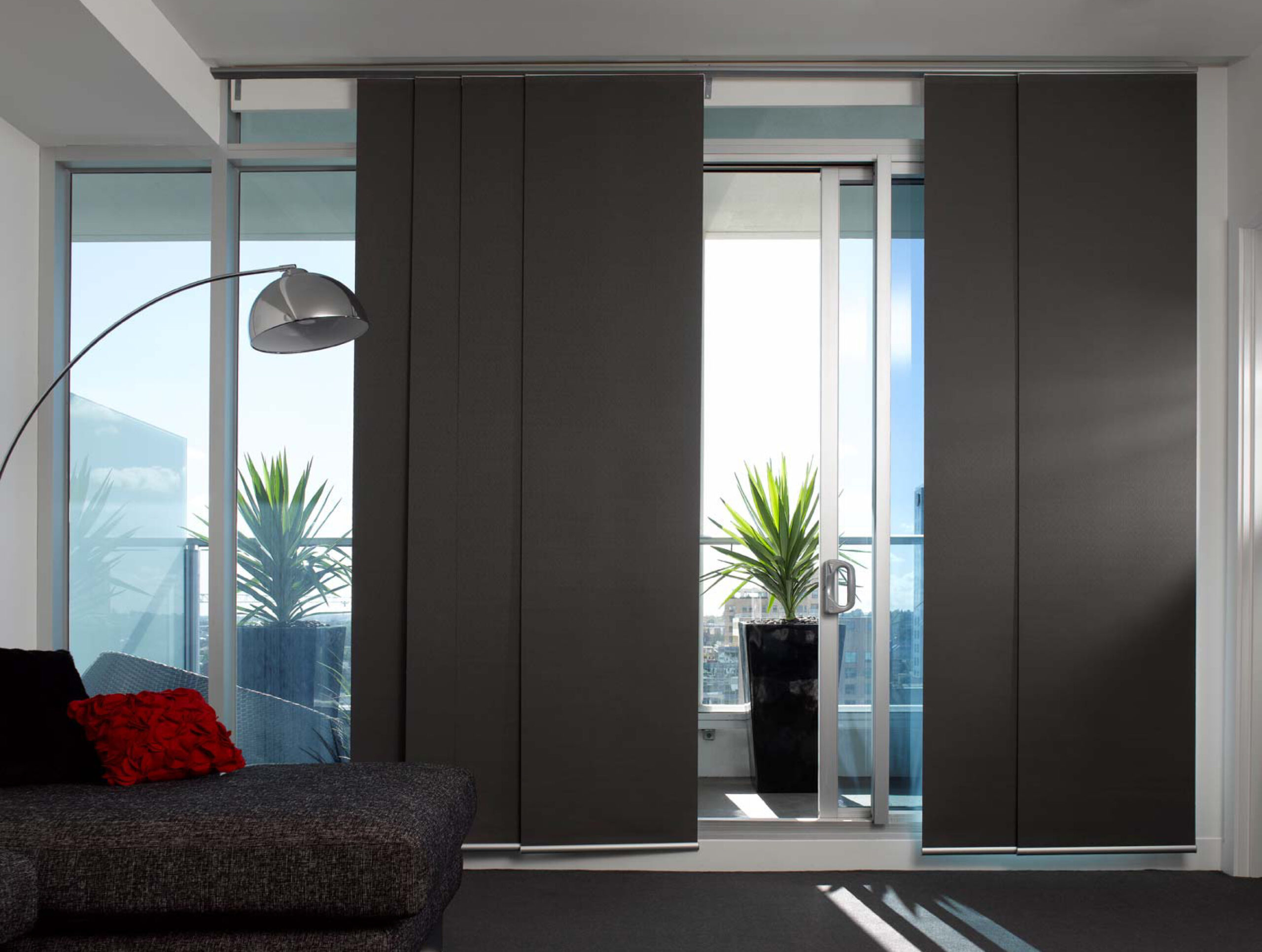
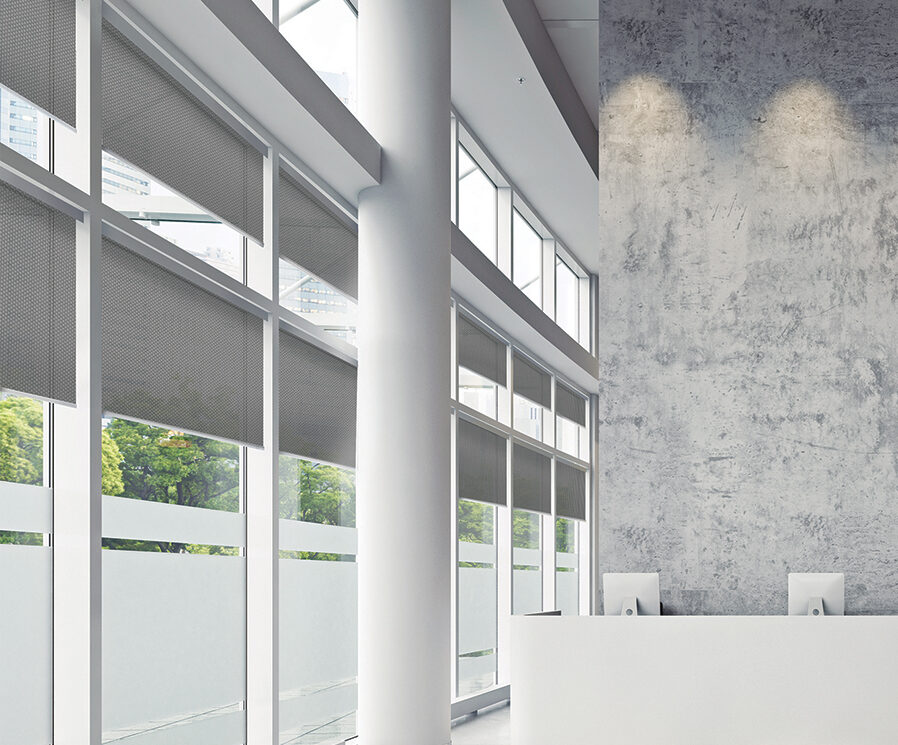
Dark grey panel blinds sliding across floor-to-ceiling windows in a modern apartment lounge

Curtains or Blinds or Shutters? Which Window Coverings Suit Each Room.

Room We usually recommend Why
Bedroom Blockout Curtains, Double Curtains or Cellular Blinds Genuine darkness for sleep, plus warmth, insulation and sound softening
Living + dining Sheer Curtains layered over Roller Blinds, Veri Shades or Cellular Blinds Sheers by day for light and privacy, Blinds, Veri Shades or Blockout by night
Kitchen Roller Blinds, Shutters or Venetian Blinds Easy to wipe down, sit neatly above a bench, no fabric near cooking
Bathroom + laundry PVC Shutters Will not expand, crack or bow in a damp room the way timber can
Home office + study Shutters, Roller Blinds, Roman Blinds or Cellular Blinds Tilt the blades or lower the fabric to kill screen glare without losing the daylight
Nursery + kids’ rooms Shutters, or motorised Blockout Curtains No cords or chains within reach, and full darkness for daytime naps
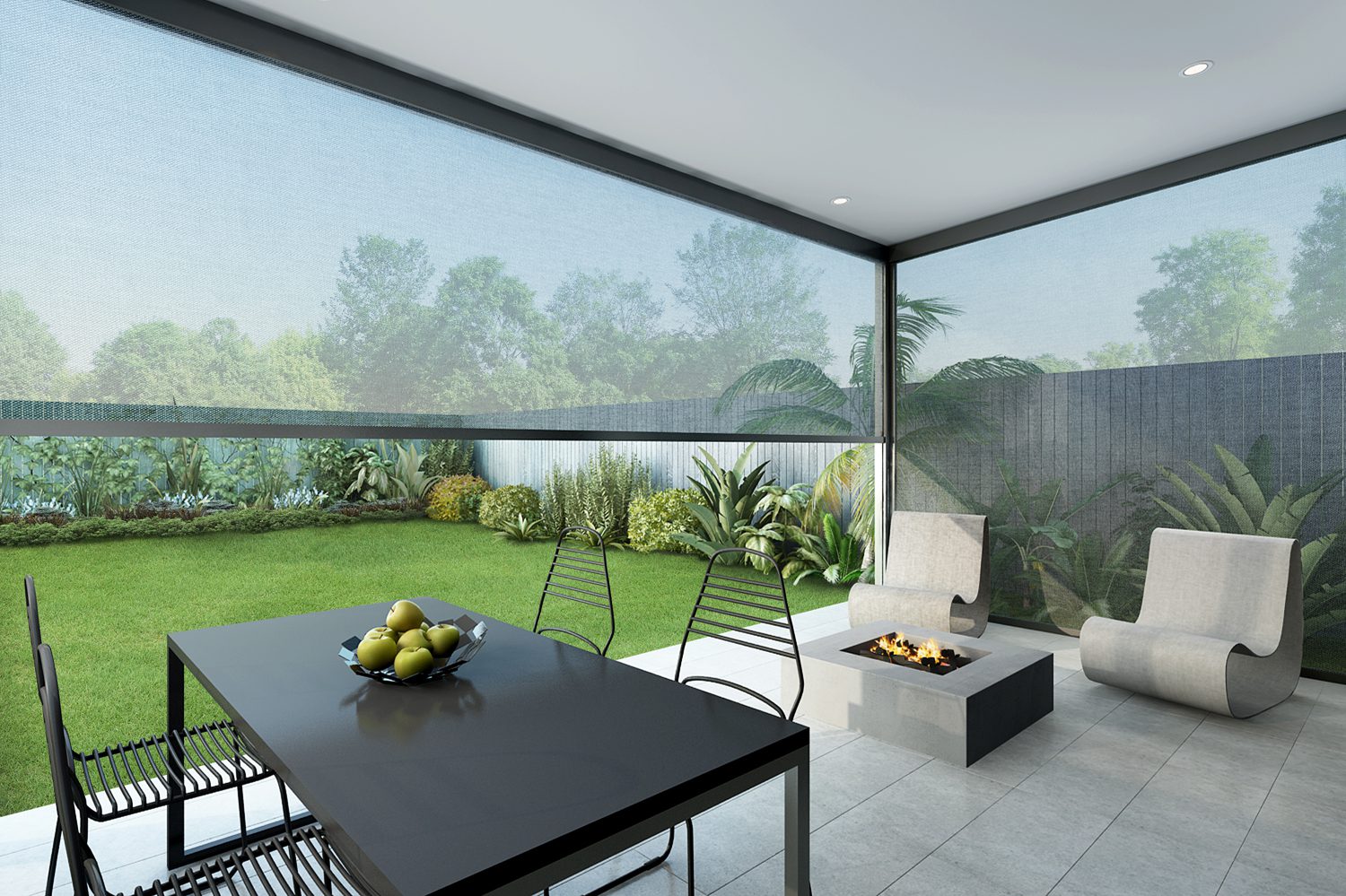
Alfresco + outdoor Aluminium Shutters, Outdoor Blinds or Zipscreens Built for weather, and still give you light and airflow control

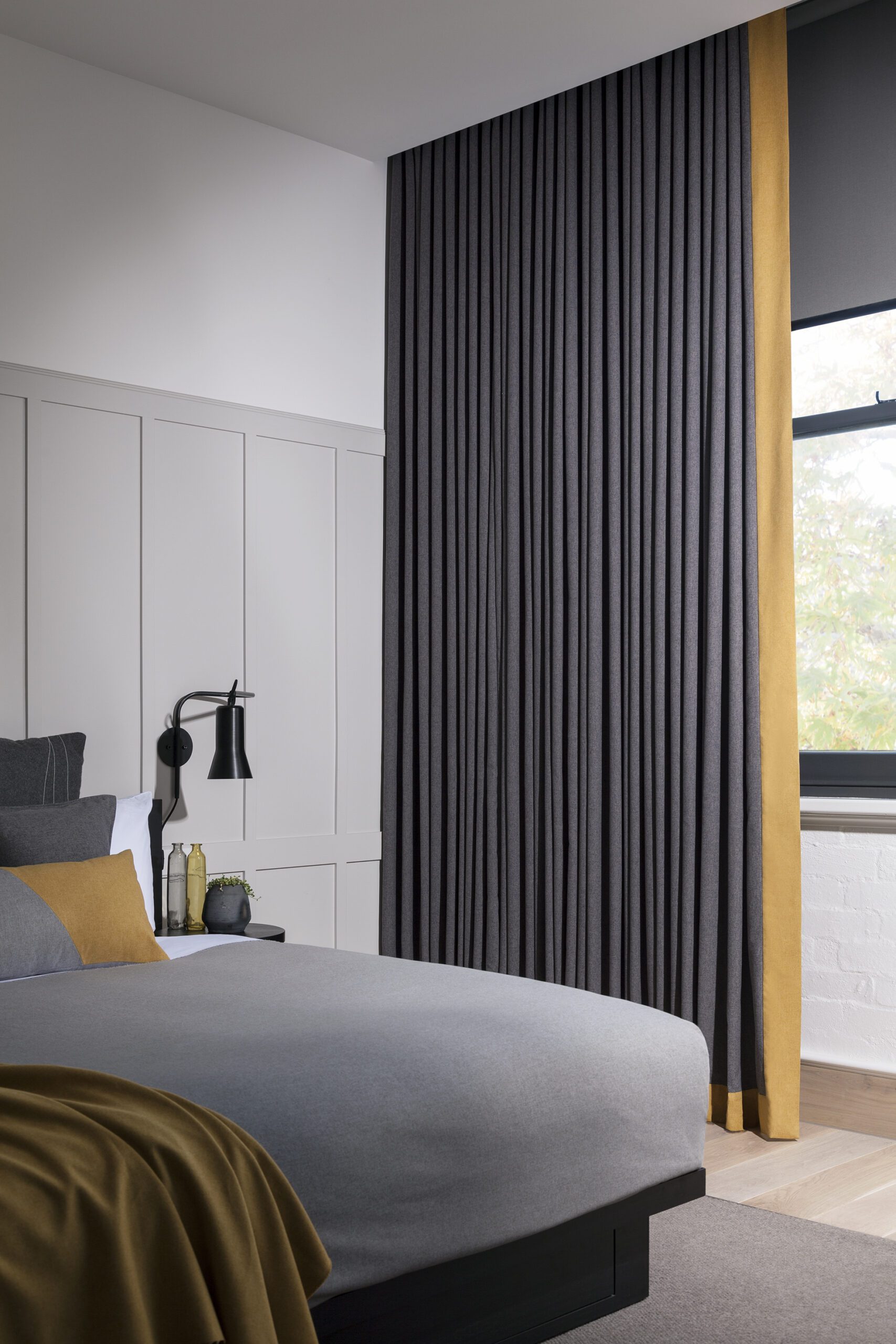
Charcoal wave-fold blockout curtains with mustard banding in a bedroom with grey and gold bedding

Curtains vs Shutters vs Blinds: Explore in Person at dc+b.

Outdoor aluminium shutters folded open on an alfresco patio overlooking the backyard

Still not sure which way to go on Curtains vs Blinds vs Shutters?


Here at dollar curtains + blinds, we have been working with Australian Made window coverings for 55+ years. With that experience in mind, we can help you make the best, informed decision for your home.


Book a free measure + quote or visit your closest dc+b store to see and operate the products for yourself.

Need help?
For expert advice
call 03 9237 1200.

Free measure + quote
30+ retail stores
Australia's largest range
Value in every dollar
55+ years of crafted quality
Professionally installed

FAQs.

Are Blinds or Curtains better for insulation?

Curtains generally insulate better, provided they are Blockout, lined and fitted with a Pelmet, because the fabric traps a pocket of air against the glass. The exception among Blinds is Cellular Blinds. The honeycomb cells do the same job and give you the best thermal result of all.


Are Blinds or Curtains cheaper?

Blinds are usually the more affordable way to cover a window well. Curtains sit higher because fabric quality, fullness, heading type and track all add to the cost. Everything is made to measure, so the only accurate comparison is on your own windows through a free measure + quote.

Can you have Curtains and Blinds on the same window?

Yes, and it is one of the most popular things we do. A Roller Blind or Blockout Blind behind a Sheer Curtain gives you daytime privacy and softness with proper light control at night. Double Curtains and Double Blinds achieve a similar layered effect on a single track or bracket.

Continue reading.